No-Heat In February? Quick fixes, when to call, and the $5,000 rule
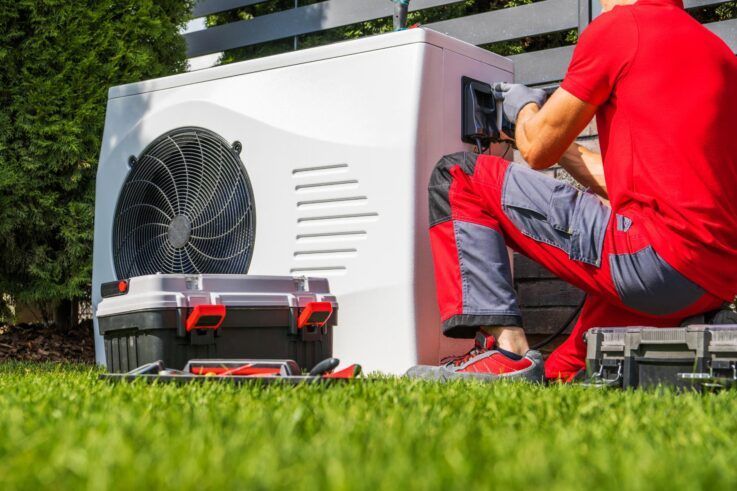
When the mercury drops and your home feels chilly, the worry sets in fast. A no-heat situation in February is more than uncomfortable. It can be unsafe for vulnerable family members and can risk frozen pipes. The good news is that many heating hiccups have quick fixes, and when they do not, a licensed technician can usually diagnose the root cause the same day.
This guide walks you through safe, simple checks you can do right now, what common furnace issues look like in deep winter, how to think about repair versus replacement, and what the $5,000 rule really means. We will also cover when homeowners insurance may apply. If you are in the Fox Valley or Chicagoland, U.S. Allied offers 24/7 dispatch, same-day diagnostics, and maintenance plans to keep your system steady through the coldest nights.
First, a safe DIY checklist
Start with the items you can check without opening panels or reaching into equipment.
- Thermostat: Make sure it is set to Heat, the temperature is above room temp, and the fan is on Auto. If you use a heat pump with auxiliary or emergency heat, select Heat, not Cool or Off. Replace thermostat batteries if you see a low battery icon.
- Air filter: A clogged filter can trip safeties and cause short-cycling or weak airflow. Replace a visibly dirty filter with the same size and orientation. If the filter is freshly replaced, re-seat it to ensure it is not restricting airflow.
- Breakers and switches: Check the furnace switch (looks like a light switch near the unit) and your electrical panel. Reset a tripped breaker once. If it trips again, call a pro.
- Gas supply visibility: Confirm that the furnace gas shutoff valve handle is parallel to the pipe. If you smell gas, leave the home and call your gas utility and 911, then contact an HVAC professional.
- Vents and returns: Open supply registers and keep returns unblocked. Furniture and rugs can starve airflow.
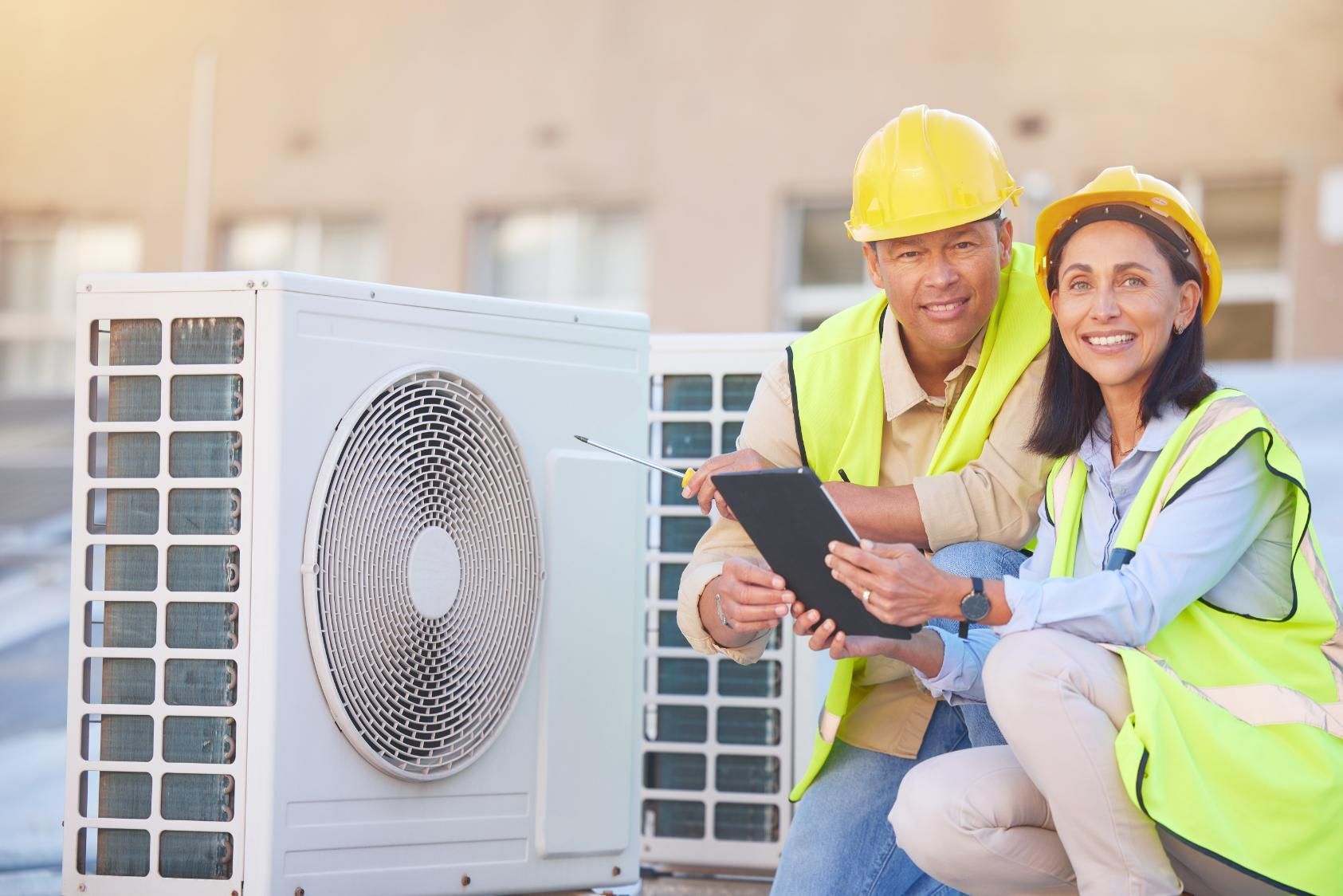
- Outdoor unit (for heat pumps): Clear snow and ice from around the unit so it can breathe.
If these steps do not restore heat or you are not comfortable doing them, contact a licensed technician. In subfreezing weather, no heat can escalate quickly. U.S. Allied provides 24/7 dispatch in North Aurora, Naperville, Batavia, St. Charles, and nearby communities.
Common February heating problems, explained
Understanding the symptoms helps you communicate clearly when you call.
No heat: Often linked to a tripped safety, a failed igniter or flame sensor, a clogged filter, or loss of power. On heat pumps, heavy frost can trigger a defrost cycle that temporarily reduces heat.- Short-cycling: The system turns on and off every few minutes. Common causes include dirty filters, blocked vents, an oversized furnace, or a faulty limit switch.
- Strange noises: Rattling can signal loose panels or ductwork. Whistling points to airflow restrictions. Banging at startup can indicate delayed ignition. Screeching may be a failing blower motor or belt.
- Emergency heat confusion: On heat pumps, Emergency Heat is a manual backup mode that uses electric strips or a gas furnace to heat when the heat pump cannot. It is normal for Emergency Heat to feel different at the vents and to cost more to run.
Why is my emergency heat blowing cold air?
A few reasons can make vents feel cool or lukewarm:
- Heat pump in defrost: In freezing weather, the outdoor unit defrosts by reversing briefly, which can send cooler air indoors. The system should return to heat within minutes.
- Electric strips not energizing: If auxiliary electric heat strips fail, you will feel cooler air. This needs diagnosis by a technician.
- Fan-only setting: If the thermostat fan is set to On, the blower runs continuously and may move air even when heat is not active. Set it to Auto.
- Duct or filter issues: Airflow restrictions or leaks reduce supply temperature at registers.
If Emergency Heat runs more than an hour with no improvement, or if breakers trip, call for service.
Who to call when your heat is not working
For a complete loss of heat in winter, call a licensed HVAC contractor with 24/7 service. U.S. Allied’s dispatcher can prioritize homes without heat in dangerous temperatures and provide real-time ETAs. If you are in the area and need fast help, you can reach our team for heating system repair in North Aurora. For nearby communities, see options to schedule HVAC service in Batavia or request furnace repair in Naperville for prompt diagnostics by licensed technicians.
- Heating system repair in North Aurora: https://www.usalliedplumbing.com/aurora-il-furnace-repair-services
- Schedule HVAC service in Batavia: https://www.usalliedplumbing.com/hvac-services-batavia
- Furnace repair in Naperville: https://www.usalliedplumbing.com/furnace-repair-maintenance-installation-near-naperville-il
Repair or replace your heater in winter
No one plans to replace a furnace in February, but sometimes it is the most practical move. Consider:
- Age: The average lifespan of a house furnace is typically 15 to 20 years with regular maintenance. Some last longer, and heavy use or deferred maintenance can shorten life.
- Safety: Cracked heat exchangers and repeat ignition failures are red flags. Safety issues usually push toward replacement.
- Frequency of breakdowns: Multiple major repairs in a short span suggest end-of-life.
- Efficiency: Older units often have lower AFUE ratings and higher operating costs.
What is the $5,000 rule for HVAC?
A common guideline helps weigh cost versus age. Multiply the estimated repair cost by the system’s age in years. If the product exceeds $5,000, replacement often makes more financial sense. Example: A 14-year-old furnace with a $500 repair has a product of $7,000, which leans toward replacement. It is a rule of thumb, not a mandate, and your decision should factor safety, comfort, energy costs, and timing.
Is it cheaper to repair or replace a heater?
It depends on age, condition, and the specific failure. For newer equipment with a clear, one-time issue, repair is usually cheaper. For older systems where repairs approach 30 to 50 percent of replacement cost, or when reliability is in question, replacement often saves money over the next few winters due to fewer service calls and better efficiency. A licensed technician can provide both estimates and help you compare.
When insurance may help
Homeowners insurance usually covers sudden and accidental damage, not wear and tear. Examples that may be covered include fire, certain electrical events, or a covered peril that damages the furnace. Typical exclusions are age-related failures, corrosion, or mechanical breakdown from normal use. Policies vary by carrier. Document the issue with photos and technician notes, then call your insurer to confirm coverage.
If water damage occurs alongside a heating failure, such as frozen or burst pipes, professional documentation will also help your claim. Quick action protects your home and simplifies conversations with your insurance adjuster.
How U.S. Allied helps in deep winter
You get straightforward diagnostics, clear options, and licensed work. During winter surges, our dispatcher prioritizes no-heat calls, communicates ETAs, and can often arrange same-day service. If a temporary fix will safely carry you through until standard hours to save costs, we will tell you. Ongoing maintenance plans are available bi-annual or annual to reduce breakdowns, improve efficiency, and validate warranties where applicable. Ask about current specials, veteran and senior discounts, and potential utility rebates when upgrading equipment.
If you also need seasonal air care, our team handles complete heating and cooling. When the thaw comes, you can book air conditioning repair in Naperville to get ahead of summer heat and keep your system reliable year-round.
- Air conditioning repair in Naperville: https://www.usalliedplumbing.com/ac-repair-maintenance-installation-near-naperville-il
Quick FAQ
- Why is my emergency heat blowing cold air in winter? Defrost cycles, non-energized heat strips, a fan-only setting, or airflow issues can make air feel cool. If it persists beyond an hour or breakers trip, schedule service.
- Who do you call if your heat is not working? Call a licensed HVAC contractor that offers 24/7 response. In Chicagoland and the Fox Valley, U.S. Allied provides emergency diagnostics and repairs with realtime ETAs.
- Is it cheaper to repair or replace a heater? For newer systems with isolated faults, repair is usually cheaper. For older units with frequent issues or costly parts, replacement often pays off over time.
- What is the $5,000 rule for HVAC? Multiply repair cost by system age. If the total is over $5,000, replacement often makes more sense. Use it as a guideline alongside safety and efficiency considerations.
- What is the average lifespan of a house furnace? Typically 15 to 20 years with regular maintenance, though conditions and usage vary.
- Are furnace repairs covered by homeowners insurance? Generally only when damage is sudden and accidental, tied to a covered peril. Wear and tear and age-related breakdowns are usually excluded. Check your policy and speak with your insurer.
Summary and next step
A cold house in February is stressful, but a few safe checks can restore heat quickly. When they do not, fast diagnosis from a licensed technician protects your home and your budget. Use the $5,000 rule and system age to weigh repair versus replacement, and ask your insurer about sudden damage coverage if applicable. If you are in North Aurora, Naperville, Batavia, or nearby, contact U.S. Allied for same-day diagnostics, licensed repairs, and maintenance plans that keep your heat dependable when it matters most.