May 18, 2026
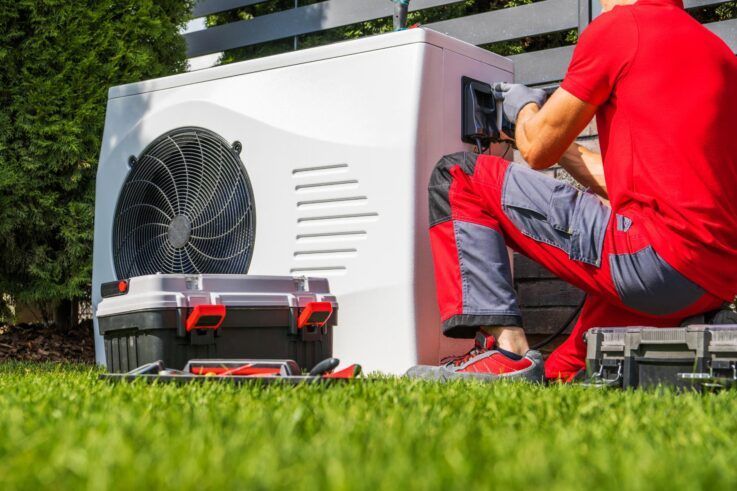
If your home struggled to stay cool last summer, now is the time to plan. Prices and schedules tighten once the first heat wave hits, and that can turn a simple upgrade into a scramble. With a little forethought, you can lock in fair pricing, qualify for incentives, and choose the right system without rushing. This guide from U.S. Allied Plumbing, Heating & Cooling explains when to buy, how much you can expect to spend, what a professional installation includes, and how long the work typically takes. You will also find quick answers about quotes, warranties, and tax credits so you can move confidently. Our team serves North Aurora, Naperville, St. Charles, Batavia, and communities across Chicagoland, with licensed HVAC pros who install to manufacturer specifications and local code. We service and install multiple brands and can walk you through financing options on approved credit. The best timing for quotes and installs The smartest month to plan your summer HVAC is May. Spring shoulder season brings cooler weather, less emergency demand, and better access to equipment. By scheduling estimates and installations in May, you typically get: Faster appointment windows before summer rush More equipment options in stock Time to apply for rebates and financing without pressure If May does not work, early June can still be reasonable, but expect calendars to fill quickly once temperatures spike. Winter installations can also be efficient for heat pumps and full system replacements, though access and comfort during cutovers may factor into your decision. Realistic HVAC costs by home size Installed pricing varies based on home layout, duct condition, equipment brand and efficiency, electrical or gas upgrades, permits, and local code requirements. The ranges below are typical ballparks in our market for complete, professionally installed systems. Your home could be higher or lower depending on specifics, so use these as starting points and plan a custom quote. Small homes and townhomes (800 to 1,200 sq. ft.): central AC replacement or heat pump, many projects fall in the 6,500 to 10,500 range installed. Mid-size homes (1,300 to 1,800 sq. ft.): common systems land in the 8,500 to 13,500 range installed, depending on SEER2 rating, furnace pairing, and duct updates. Larger homes (2,000 to 3,000 sq. ft.): multi-stage or higher-capacity systems often run 12,000 to 19,000+, particularly if zoning, duct modifications, or electrical work is required. How much does a new HVAC system cost for 1,500 square feet? For a typical 1,500 sq. ft. Chicago-area home, a professionally installed system often falls between 8,500 and 12,500. Older ductwork, high-efficiency selections, or electrical upgrades can shift the price above that range. A short in-home assessment is the fastest way to pinpoint your true cost. Prefer a phased approach? Some homeowners replace only the AC or add a heat pump to work with an existing furnace. That can trim near-term costs, but matching components properly matters for performance, efficiency, and warranty coverage. We will help you weigh tradeoffs. What a professional installation includes Licensed installation protects your warranty, your safety, and your comfort. A quality job should include: Load calculation: a Manual J or equivalent heat gain/heat loss calculation to size equipment accurately. Square footage alone is not enough. Insulation, orientation, windows, and air leakage all matter. Duct assessment: static pressure checks and a quick duct condition review. Undersized returns or leaks can undermine even premium equipment. Recommendations may include modest duct sealing or return air improvements. Permits and code compliance: contractor pulls permits as required, follows local code, and arranges inspections. This preserves safety and warranties. Proper set up and commissioning: refrigerant charge verification, airflow balancing, thermostat configuration, and manufacturer start-up procedures. Expect documentation of model numbers, serial numbers, and settings. Safety and quality checks: electrical, condensate drainage, combustion air (for gas furnaces), and venting where applicable. We confirm that everything operates within manufacturer specs before handoff. Owner orientation: basic system overview, filter sizes and locations, maintenance pointers, and how to request service if anything feels off. U.S. Allied installs to manufacturer specifications and local code on every job. We work across brands, so we can recommend the system that fits your home rather than pushing a single option. How long replacement usually takes Most central AC or heat pump changeouts are completed in one working day once equipment is on site. If your project includes a furnace replacement, duct modifications, or electrical panel work, plan for one to two days. Complex jobs that add zoning, significant duct changes, or line-set rerouting can take two to three days. We provide clear timelines when quoting and coordinate permits and inspections so you are not left guessing. How long does it take a professional to replace an AC unit? Typically one day for like-for-like replacements. Add time if the pad, line set, or electrical requires correction or if we are addressing airflow constraints. Navigating rebates, credits, and financing Are there tax credits for replacing HVAC? Yes, federal incentives under the Inflation Reduction Act currently provide credits for qualifying high-efficiency heat pumps and certain improvements, subject to annual caps and efficiency thresholds. Illinois utilities also run periodic rebates for efficient equipment. Programs change frequently. We help you confirm the options for your address during the estimate stage and provide the documentation you need for submissions. Always consult a tax professional for personalized advice. Financing is available for many installations on approved credit. If a rebate, utility incentive, or credit applies, we will outline how it interacts with financing to help you manage out-of-pocket costs. How many quotes to get, and what to compare Getting two to three written quotes is reasonable. Make sure each proposal includes equipment model numbers, efficiency ratings, scope of ductwork changes, permits, and commissioning steps. If one price is much lower, look for missing scope items such as load calculation, permit fees, disposal, or start-up testing. Ask each contractor to explain sizing logic and airflow targets to avoid oversizing that can cause short cycling and humidity issues. Maintenance and warranty protection Professional, documented maintenance supports manufacturer warranties and long-term performance. Plan for annual cooling tune-ups and filter changes per the schedule on your system. If you are in Naperville or nearby and want help keeping things efficient, explore our HVAC maintenance services for the area to reduce breakdowns and stay warranty-compliant. We also offer air duct cleaning in Naperville when dust, renovation debris, or airflow concerns suggest it would help overall comfort. Quick local help when you need it Hot day and a system not keeping up? Our team handles troubleshooting and repairs across the west suburbs. If you are comparing replacement vs. repair, we can diagnose first and give you options. For immediate cooling issues, our air conditioning repair team serves Naperville homes with maintenance, repair, and new installations. Learn more about HVAC services for Naperville homes on our Naperville page. For repair-first help, see our air conditioning repair support in Naperville. FAQ What is the best month to buy an HVAC system? May is often ideal. Schedules are more flexible, inventory is strong, and you can plan rebates and financing before summer heat creates backlogs. How much does a new HVAC system cost for 1,500 sq. ft.? Many 1,500 sq. ft. homes land between 8,500 and 12,500 installed. Duct condition, efficiency level, and electrical or gas updates can move the number. Are there tax credits for replacing HVAC? Yes, federal credits exist for qualifying high-efficiency systems, especially heat pumps, with limits and requirements. Local utility rebates may also apply. Confirm details during your estimate and consult a tax professional. What is included in an HVAC installation? Load calculation, duct assessment, permits, code-compliant installation, proper start-up and commissioning, safety checks, and a homeowner orientation. How long does it take to replace an AC unit? Like-for-like replacements typically take one day. Add time for duct changes, electrical work, or combined furnace replacements. How many quotes should you get? Two to three comparable quotes help you evaluate scope, equipment quality, and contractor practices without delaying your project. Next steps If you want cool comfort locked in before the first heat wave, schedule a free in-home estimate in May or early June. U.S. Allied’s licensed technicians will size your system correctly, explain options across multiple brands, review rebates and credits, and outline financing choices if you need them. Call our 24/7 dispatcher at 630-800-2032 or email info@usalliedplumbing.com to get started.