Research Hub
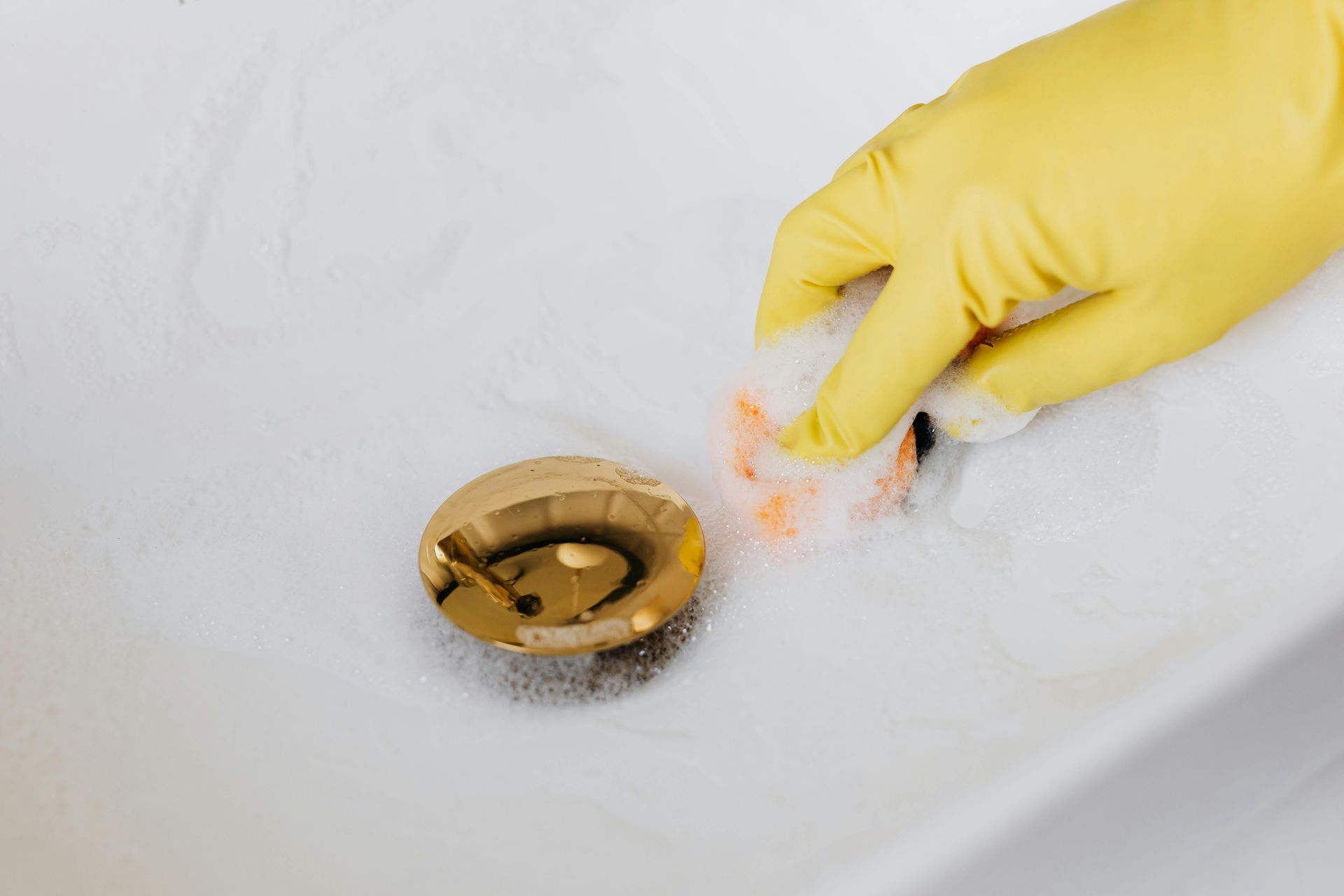
Summer in Chicagoland brings cookouts, yard work, and extra guests. It also brings more grease down kitchen sinks, more hair and soap in showers, and more debris washing toward outside drains. The result is familiar: slow sinks and gurgling tubs that seem to worsen after storms. If your drains are crawling or backing up, the fastest fix starts with a clear diagnosis. This guide explains why clogs spike in summer, how pros pinpoint clog depth with cameras, when snaking versus hydro jetting makes sense, realistic local price ranges, and why chemical cleaners or baking soda plus vinegar can do more harm than good. U.S. Allied provides inspection-led cleaning, same-day service, and 24/7 emergency response for active backups across North Aurora, Naperville, Aurora, St. Charles, Batavia, and nearby communities. Why summer clogs are so common Warm weather changes what goes down drains and how pipes behave. Kitchens see more cooking oil, fats, and meat scraps from grilling that cool and congeal inside pipes. Bathrooms handle more showers, sunscreen, hair, and soap scum that bind into sticky mats. Storms push groundwater and yard debris toward floor drains and aging laterals, revealing partial blockages and root intrusion already in the line. Often, a single slow sink points to a local clog near that fixture. Multiple slow fixtures at the same time, especially at the lowest level, suggest a main sewer issue that needs quick attention. How technicians find the clog: inspection first Effective cleaning starts with answers to three questions: where is the blockage, what is it made of, and what condition are the pipes in. Technicians typically: Ask which fixtures are affected and when the problem began. Test flow and listen for gurgling or air movement between fixtures. Use a camera inspection to map the line, confirm depth and location, and check pipe material and joints. Camera inspections help avoid guesswork, prevent damage to fragile or offset joints, and determine whether a simple cable snake, descaling tool, or hydro jetting will solve the problem safely. Snaking vs. hydro jetting: what to use and when Snaking uses a rotating cable to punch through or pull back localized obstructions. It is often the first step for: Shallow clogs near a kitchen, bathroom, or laundry fixture Soft obstructions like hair balls or paper buildup Quick relief when the line is mostly sound Hydro jetting uses high-pressure water to scour pipe walls and push debris downstream. With proper pre-inspection, it is well suited for: Grease, sludge, and soap accumulations that coat pipe interiors Long sections of slow or recurrent lines Tree roots and mineral scale in older cast-iron laterals, often paired with descaling or chain knockers where needed A professional will recommend the least invasive method that restores flow and protects the pipe. Realistic Chicagoland price ranges Exact quotes depend on access, line length, pipe material, severity, and time of day. In the Chicagoland area, you can typically expect: Assessment and basic snaking for a simple fixture or short section to fall on the lower end of the range. Camera-led cleaning for multiple fixtures or longer sections to land in the midrange. Hydro jetting for grease-heavy or root-intruded lines to be higher due to equipment, time, and setup. After-hours or emergency visits to include diagnostic or overtime fees. U.S. Allied provides clear estimates before work begins. If you need immediate help, our dispatcher can coordinate same-day diagnostics or 24/7 emergency response for active backups. For local availability, see our pages for drain cleaning in Naperville and video sewer inspections in Naperville. Explore timely service options for drain cleaning in Naperville at https://www.usalliedplumbing.com/sewer-drain-services-naperville Learn how video sewer inspections in Naperville guide safe cleaning at https://www.usalliedplumbing.com/sewer-drain-services-naperville Why chemical drain cleaners are a bad idea Many liquid drain cleaners are caustic. They can: Generate heat that warps PVC or weakens old metal joints. Sit above a complete blockage and corrode traps or seals. Create hazardous fumes and splash risks when the line suddenly opens. Plumbers advise against them because a short-term partial clear can lead to bigger pipe damage and safety hazards, especially in confined bathrooms or basements. The baking soda plus vinegar myth Baking soda and vinegar create fizz, not sustained force. In real pipes, that reaction often happens in the trap, far from the clog. The mix can loosen a little slime but rarely reaches compacted grease, hair mats, or roots. Worse, it can push debris deeper and delay proper cleaning. If the drain is slow or backing up, professional snaking or hydro jetting guided by a camera inspection is the safer, more effective path. How to tell if the clog is deep Clues you are dealing with a main line issue rather than a single fixture include: Multiple fixtures draining slowly at once Backups at the lowest fixture first, such as a basement tub, floor drain, or shower Gurgling in toilets when a nearby sink drains Slowdowns after heavy rain or lawn watering These signals point to the main sewer or a branch line that needs camera-led assessment. If you are in North Aurora or nearby and see these symptoms, our team can dispatch quickly for North Aurora emergency drain cleaning at https://www.usalliedplumbing.com/aurora-il-drain-cleaning-services . Prevention tips for the rest of summer Wipe grease from pans into the trash before rinsing. Use sink strainers and clean them frequently. Brush hair before showering, and use a hair-catching drain cover. Keep wipes, hygiene products, and paper towels out of toilets. After storms, note any new gurgles or odors and call for an inspection before a full backup. When to call U.S. Allied Call immediately if you have sewage at a floor drain, toilets overflowing repeatedly, or multiple fixtures backing up. We offer: Inspection-led cleaning with snaking, descaling, and hydro jetting Same-day service in many cases 24/7 emergency response for active backups We serve North Aurora, Naperville, Aurora, St. Charles, Batavia, and nearby communities. For urgent help in Batavia, see same-day drain cleaning in Batavia at https://www.usalliedplumbing.com/drain-cleaning-batavia . For emergencies in St. Charles, our 24/7 team is ready at https://www.usalliedplumbing.com/emergency-plumber-st-charles . FAQ Is professional drain cleaning worth it? Yes. Proper diagnostics prevent repeat clogs, protect pipe integrity, and address the real cause, whether it is grease, roots, or scale. It often costs less over time than repeated DIY attempts and damage from backups. How much does it cost to have a drain unclogged? Prices vary by method and severity. Simple snaking is typically at the lower end, camera-led cleaning for multiple fixtures falls in the midrange, and hydro jetting trends higher. After-hours service can add fees. Request an on-site assessment for an exact estimate. How much should it cost to clear a blocked drain? Expect a range based on access, pipe material, and clog type. Transparent estimates are provided after inspection, and work begins only with your approval. How much do plumbers charge to unblock a drain? Rates vary by region and service level. In Chicagoland, charges reflect diagnostic time, equipment, and whether service is same-day or after-hours. A quick call can narrow your specific scenario. Why do plumbers say not to use drain cleaner? Caustic chemicals can overheat or corrode pipes, trap dangerous residues, and create splash risks during later service. They rarely fix root or heavy grease problems and can make conditions worse. Why should you never use baking soda and vinegar to unclog a drain? The fizz is weak and short-lived. It seldom reaches deep obstructions and can push debris farther into the line, delaying proper cleaning. How can I tell if the clog is deep? Multiple slow fixtures, backups at the lowest drain, toilet gurgles, and issues that worsen after rain suggest a main line problem that needs a camera inspection. What are the signs of a clogged sewer? Recurrent slow drains across the home, sewage odors, wet spots near floor drains, and backups at the lowest fixtures indicate main sewer trouble. Summary and next step Summer slowdowns tend to trace back to grease, hair, soap, and storm-related debris. The most reliable fix is inspection-led cleaning that matches the method to the problem. U.S. Allied performs camera inspections, targeted snaking, descaling, and hydro jetting, with same-day appointments and 24/7 emergency response when there is an active backup. If you are in North Aurora, Naperville, Aurora, St. Charles, Batavia, or nearby, call 630-800-2032 or email info@usalliedplumbing.com to schedule service today.
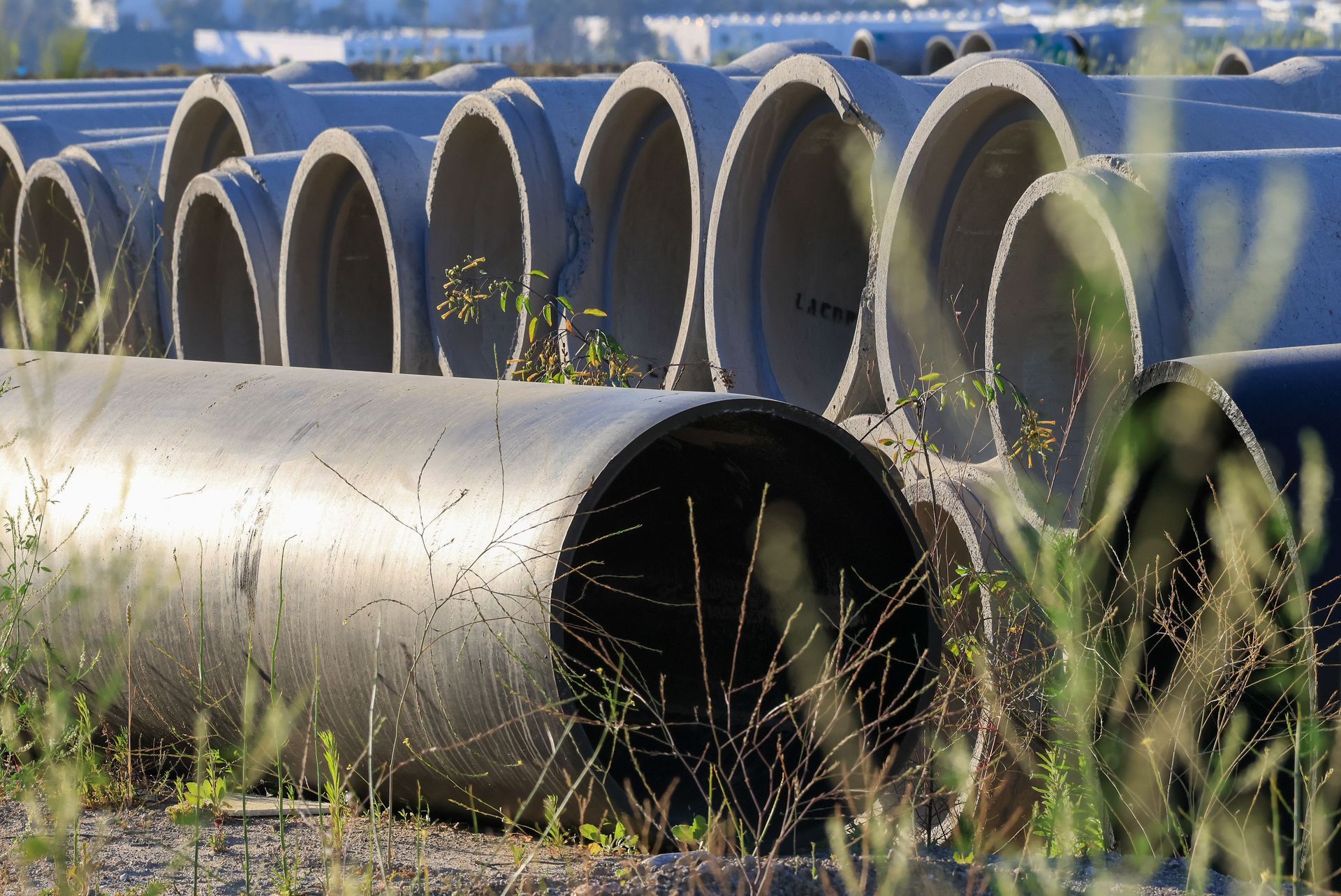
Summer can be tough on sewer lines in Chicagoland. Intense downpours push groundwater into aging laterals, while trees chase moisture and send roots into tiny pipe seams. If you are noticing odd gurgles or slow drains after storms, it is smart to act before a full backup. This guide walks you through clear warning signs, how pros diagnose the problem, when cleaning is enough, and when repair or replacement makes more sense. We also explain who is responsible for what between the homeowner and the city, how long fixes typically take, and what insurance might cover. U.S. Allied Plumbing, Heating & Cooling serves North Aurora, Naperville, St. Charles, Batavia, and nearby communities with 24/7 emergency response, camera inspections, hydro jetting, and descaling. If you need urgent help now, contact our dispatcher at 630-800-2032. Summer red flags to watch for Heavy rain and thirsty roots often reveal issues already brewing. Common signs include: Gurgling from tubs, showers, or toilets when another fixture drains Multiple slow drains at once, especially on lower levels Sewage odors inside or near floor drains, cleanouts, or sump pits Water around basement floor drains after storms Patches of extra green grass, soggy spots, or small sinkholes in the yard Toilet water levels rising or bubbling after laundry or dishwasher cycles If a single sink is slow, you may have a local clog. If several fixtures are affected, especially the lowest ones, the main sewer line is likely involved. How pros diagnose sewer line trouble Good diagnostics prevent guesswork. A trained technician will typically: Ask when symptoms started and whether they worsen after rain. Locate accessible cleanouts and evaluate fixture performance. Use a drain machine or hydro jet to open flow enough for inspection if needed. Run a video camera to confirm pipe material, slope, blockages, cracks, or root intrusion. Mark depth and location from the surface for accurate repair planning. For older cast-iron laterals common around Chicagoland, we often recommend camera-led descaling or hydro jetting. Pre-inspection helps protect fragile joints and identifies when trenchless methods are appropriate. If you are in Naperville and want to understand what a camera survey can reveal, see our information on video sewer inspections in Naperville, including cleaning options and scheduling. Cleaning vs. repair vs. replacement The right fix depends on cause and pipe condition. Routine or soft clogs: Hair, paper, and grease often clear with snaking. Hydro jetting scours sludge and grease from pipe walls so the problem does not return quickly. Roots: Minor root intrusion can be cleared with cutting heads and followed by hydro jetting. Expect roots to return if cracks remain. A repair or liner may be the long-term solution. Scale and corrosion: Cast-iron pipes often narrow from mineral scale. Descaling and chain knockers can restore diameter. If walls are thinning or flaking, replacement is safer. Cracks, offsets, or collapse: Spot repairs may work for isolated defects. Multiple breaks, severe bellies, or widespread cracking usually point to a section replacement or full lateral replacement. When we recommend cleaning only, we will still advise on prevention: sensible paper use, no wipes, routine maintenance jetting for heavy-use homes, and root control where appropriate. For urgent blockages, our teams provide North Aurora emergency sewer repair with 24/7 dispatch and clear communication on next steps. When trenchless options make sense in Chicagoland soils Trenchless methods, such as cured-in-place pipe (CIPP) lining or pipe bursting, can avoid large open trenches and protect landscaping. They can be a strong choice when: The existing pipe path runs under a driveway, mature trees, or finished patios Camera inspection shows suitable host pipe conditions for lining There is adequate access at ends for equipment Soil stability and groundwater are manageable during installation Limitations do exist. Severe sags (bellies), major collapses, or extensive joint offsets can prevent proper lining. High groundwater after storms may also complicate curing. A site visit and camera mapping confirm feasibility and help compare trenchless versus open-cut options. Who is responsible for sewer repairs In most Chicagoland communities, the homeowner is responsible for the lateral from the home to the property line or street connection. The municipality handles the public main in the street. Some towns require homeowners to repair to the tap at the main. Always check your local ordinance or call your public works department. Before you dig, dial 811 for utility locates. Typical timelines you can expect Every job is unique, but this general guide helps set expectations: Emergency clearing to stop a backup: often same day for access and flow restoration Camera inspection and mapping: usually completed during the same visit Spot repair or short trenchless liner: often one day once permits and materials are ready Full lateral replacement: one to three days depending on length, depth, hard surfaces, and permit requirements Weather, permitting, and utility locates can impact scheduling. Our dispatcher provides realtime ETAs and text updates, and we stabilize safely when full work must wait. What insurance might cover Homeowners insurance usually covers sudden and accidental damage inside the home, such as water damage from a sudden backup, but it typically excludes wear and tear, corrosion, and age-related failure of the pipe itself. Many carriers offer optional water or sewer backup endorsements, and some utilities or third parties sell sewer line warranties that may cover repair or replacement of the lateral. Policies vary widely. Practical steps: Document with photos and video. Save camera footage and technician notes. Call your agent to review your specific coverage and any backup endorsement. Ask whether you have a separate sewer line policy through a utility partner. Keep invoices for emergency mitigation, cleaning, and temporary lodging if applicable. Cost factors for main line fixes Exact pricing depends on access, depth, pipe material, length, repair method, and permitting. Costs can vary between clearing a clog and replacing sections of pipe. We provide clear estimates before work begins and discuss repair-versus-replacement options after a camera inspection. For straightforward maintenance or emergency clearing in Naperville, you can review our drain cleaning services and schedule a visit that fits your timing. How U.S. Allied responds in summer 24/7 emergency dispatch with licensed plumbers who work across all major brands and fixture types Camera inspections to pinpoint the issue before committing to big digs Hydro jetting, descaling, and chain knockers to clear roots, grease, and mineral buildup Trenchless and open-cut solutions, with guidance on permits and coordination with municipalities Need help now in North Aurora or nearby? Our emergency plumber teams are standing by with same-day options in many cases. Quick FAQ What are the signs of a clogged sewer? Multiple slow drains, gurgling in toilets or tubs, sewage odors, basement floor drain overflow, and wet or sunken spots in the yard. Does homeowners insurance cover sewer line repair? It typically covers sudden and accidental damage, not wear and tear. Consider a sewer backup endorsement or a separate sewer line policy for broader protection. Is trenchless sewer repair worth it? Often yes when the host pipe condition allows it and you want to avoid extensive digging under driveways or landscaping. A camera inspection confirms suitability. How much does it cost to fix a main sewer line clog? Prices vary by severity, access, and method. Simple clears cost far less than structural repairs or replacements. A short assessment is the fastest way to get a firm number. How long does it take to fix a main sewer line? Emergency clearing is often same day. Spot repairs or liners can be one day. Full replacements can run one to three days once permits and materials are ready. Who is responsible for sewer repairs? Homeowners are usually responsible for the lateral on their property up to the city connection. The city maintains the public main. Check your local rules. Prevention tips for the rest of summer Limit what goes down drains: no wipes, grease, or hygiene products Install and maintain backwater valves where code allows to reduce storm surge risk Schedule periodic hydro jetting or descaling for older cast-iron systems Keep trees trimmed and monitor root-prone areas identified on camera If your home relies on a sump system, keeping it healthy reduces storm risk too. Our team handles sump pump installation and repair in Naperville and nearby suburbs. Next step If you have gurgling drains, backups after storms, or signs of roots, do not wait for a bigger mess. Call U.S. Allied at 630-800-2032 for 24/7 help. We will assess with a camera, clear the line safely, and lay out honest options for repair or replacement so you can choose what fits your home and budget. Internal resources mentioned: Learn about video sewer inspections and scheduling in Naperville: https://www.usalliedplumbing.com/sewer-drain-services-naperville See our Naperville sewer and drain cleaning services: https://www.usalliedplumbing.com/sewer-drain-services-naperville North Aurora emergency sewer repair options: https://www.usalliedplumbing.com/emergency-sewer-repair Sump pump services for Naperville homeowners: https://www.usalliedplumbing.com/sump-pump-services-naperville

If your home struggled to stay cool last summer, now is the time to plan. Prices and schedules tighten once the first heat wave hits, and that can turn a simple upgrade into a scramble. With a little forethought, you can lock in fair pricing, qualify for incentives, and choose the right system without rushing. This guide from U.S. Allied Plumbing, Heating & Cooling explains when to buy, how much you can expect to spend, what a professional installation includes, and how long the work typically takes. You will also find quick answers about quotes, warranties, and tax credits so you can move confidently. Our team serves North Aurora, Naperville, St. Charles, Batavia, and communities across Chicagoland, with licensed HVAC pros who install to manufacturer specifications and local code. We service and install multiple brands and can walk you through financing options on approved credit. The best timing for quotes and installs The smartest month to plan your summer HVAC is May. Spring shoulder season brings cooler weather, less emergency demand, and better access to equipment. By scheduling estimates and installations in May, you typically get: Faster appointment windows before summer rush More equipment options in stock Time to apply for rebates and financing without pressure If May does not work, early June can still be reasonable, but expect calendars to fill quickly once temperatures spike. Winter installations can also be efficient for heat pumps and full system replacements, though access and comfort during cutovers may factor into your decision. Realistic HVAC costs by home size Installed pricing varies based on home layout, duct condition, equipment brand and efficiency, electrical or gas upgrades, permits, and local code requirements. The ranges below are typical ballparks in our market for complete, professionally installed systems. Your home could be higher or lower depending on specifics, so use these as starting points and plan a custom quote. Small homes and townhomes (800 to 1,200 sq. ft.): central AC replacement or heat pump, many projects fall in the 6,500 to 10,500 range installed. Mid-size homes (1,300 to 1,800 sq. ft.): common systems land in the 8,500 to 13,500 range installed, depending on SEER2 rating, furnace pairing, and duct updates. Larger homes (2,000 to 3,000 sq. ft.): multi-stage or higher-capacity systems often run 12,000 to 19,000+, particularly if zoning, duct modifications, or electrical work is required. How much does a new HVAC system cost for 1,500 square feet? For a typical 1,500 sq. ft. Chicago-area home, a professionally installed system often falls between 8,500 and 12,500. Older ductwork, high-efficiency selections, or electrical upgrades can shift the price above that range. A short in-home assessment is the fastest way to pinpoint your true cost. Prefer a phased approach? Some homeowners replace only the AC or add a heat pump to work with an existing furnace. That can trim near-term costs, but matching components properly matters for performance, efficiency, and warranty coverage. We will help you weigh tradeoffs. What a professional installation includes Licensed installation protects your warranty, your safety, and your comfort. A quality job should include: Load calculation: a Manual J or equivalent heat gain/heat loss calculation to size equipment accurately. Square footage alone is not enough. Insulation, orientation, windows, and air leakage all matter. Duct assessment: static pressure checks and a quick duct condition review. Undersized returns or leaks can undermine even premium equipment. Recommendations may include modest duct sealing or return air improvements. Permits and code compliance: contractor pulls permits as required, follows local code, and arranges inspections. This preserves safety and warranties. Proper set up and commissioning: refrigerant charge verification, airflow balancing, thermostat configuration, and manufacturer start-up procedures. Expect documentation of model numbers, serial numbers, and settings. Safety and quality checks: electrical, condensate drainage, combustion air (for gas furnaces), and venting where applicable. We confirm that everything operates within manufacturer specs before handoff. Owner orientation: basic system overview, filter sizes and locations, maintenance pointers, and how to request service if anything feels off. U.S. Allied installs to manufacturer specifications and local code on every job. We work across brands, so we can recommend the system that fits your home rather than pushing a single option. How long replacement usually takes Most central AC or heat pump changeouts are completed in one working day once equipment is on site. If your project includes a furnace replacement, duct modifications, or electrical panel work, plan for one to two days. Complex jobs that add zoning, significant duct changes, or line-set rerouting can take two to three days. We provide clear timelines when quoting and coordinate permits and inspections so you are not left guessing. How long does it take a professional to replace an AC unit? Typically one day for like-for-like replacements. Add time if the pad, line set, or electrical requires correction or if we are addressing airflow constraints. Navigating rebates, credits, and financing Are there tax credits for replacing HVAC? Yes, federal incentives under the Inflation Reduction Act currently provide credits for qualifying high-efficiency heat pumps and certain improvements, subject to annual caps and efficiency thresholds. Illinois utilities also run periodic rebates for efficient equipment. Programs change frequently. We help you confirm the options for your address during the estimate stage and provide the documentation you need for submissions. Always consult a tax professional for personalized advice. Financing is available for many installations on approved credit. If a rebate, utility incentive, or credit applies, we will outline how it interacts with financing to help you manage out-of-pocket costs. How many quotes to get, and what to compare Getting two to three written quotes is reasonable. Make sure each proposal includes equipment model numbers, efficiency ratings, scope of ductwork changes, permits, and commissioning steps. If one price is much lower, look for missing scope items such as load calculation, permit fees, disposal, or start-up testing. Ask each contractor to explain sizing logic and airflow targets to avoid oversizing that can cause short cycling and humidity issues. Maintenance and warranty protection Professional, documented maintenance supports manufacturer warranties and long-term performance. Plan for annual cooling tune-ups and filter changes per the schedule on your system. If you are in Naperville or nearby and want help keeping things efficient, explore our HVAC maintenance services for the area to reduce breakdowns and stay warranty-compliant. We also offer air duct cleaning in Naperville when dust, renovation debris, or airflow concerns suggest it would help overall comfort. Quick local help when you need it Hot day and a system not keeping up? Our team handles troubleshooting and repairs across the west suburbs. If you are comparing replacement vs. repair, we can diagnose first and give you options. For immediate cooling issues, our air conditioning repair team serves Naperville homes with maintenance, repair, and new installations. Learn more about HVAC services for Naperville homes on our Naperville page. For repair-first help, see our air conditioning repair support in Naperville. FAQ What is the best month to buy an HVAC system? May is often ideal. Schedules are more flexible, inventory is strong, and you can plan rebates and financing before summer heat creates backlogs. How much does a new HVAC system cost for 1,500 sq. ft.? Many 1,500 sq. ft. homes land between 8,500 and 12,500 installed. Duct condition, efficiency level, and electrical or gas updates can move the number. Are there tax credits for replacing HVAC? Yes, federal credits exist for qualifying high-efficiency systems, especially heat pumps, with limits and requirements. Local utility rebates may also apply. Confirm details during your estimate and consult a tax professional. What is included in an HVAC installation? Load calculation, duct assessment, permits, code-compliant installation, proper start-up and commissioning, safety checks, and a homeowner orientation. How long does it take to replace an AC unit? Like-for-like replacements typically take one day. Add time for duct changes, electrical work, or combined furnace replacements. How many quotes should you get? Two to three comparable quotes help you evaluate scope, equipment quality, and contractor practices without delaying your project. Next steps If you want cool comfort locked in before the first heat wave, schedule a free in-home estimate in May or early June. U.S. Allied’s licensed technicians will size your system correctly, explain options across multiple brands, review rebates and credits, and outline financing choices if you need them. Call our 24/7 dispatcher at 630-800-2032 or email info@usalliedplumbing.com to get started.
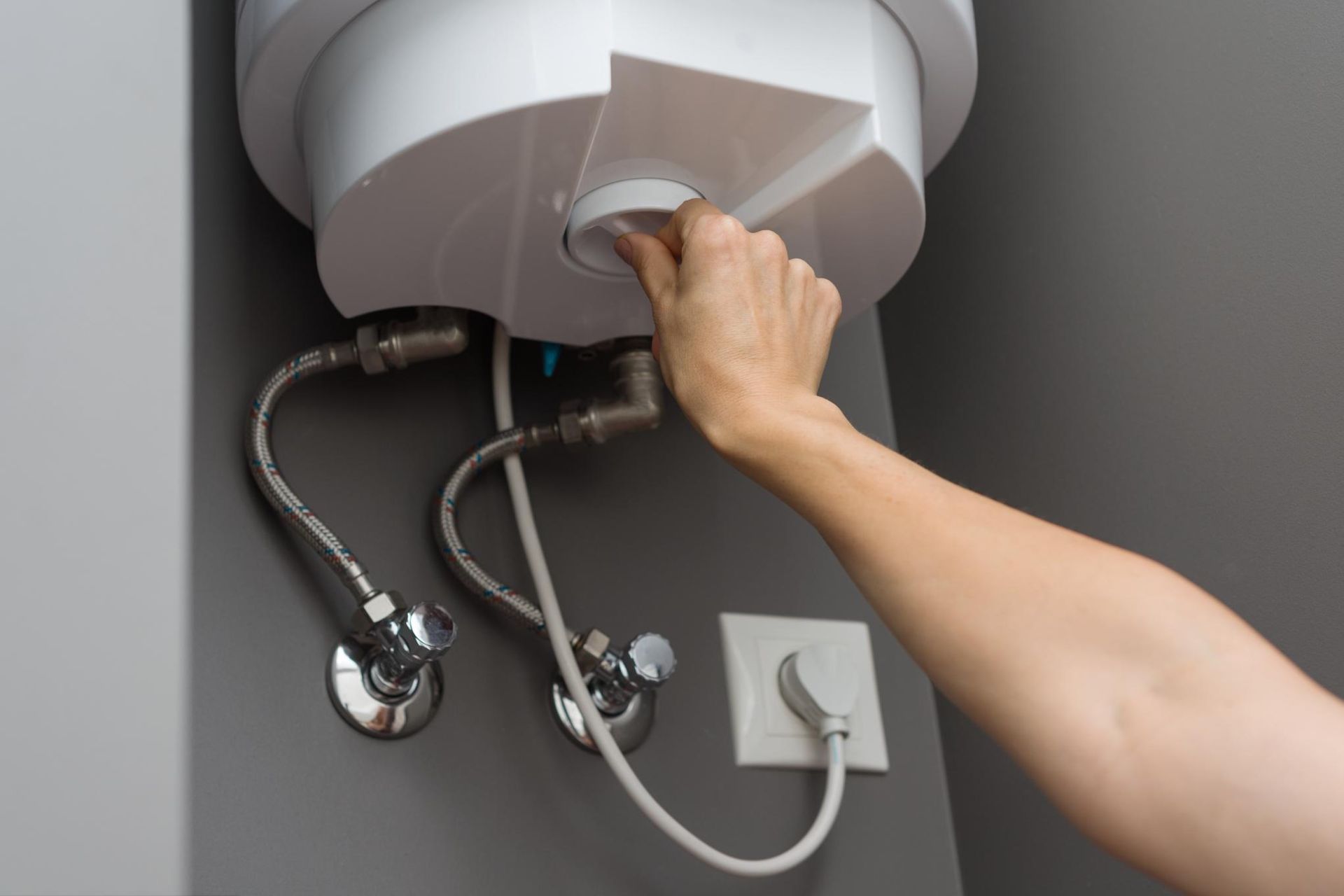
Planning ahead before busy season can save you cold showers and rush fees. If your tank water heater is 10 to 15 years old or your family is running out of hot water more often, now is a smart time to map your options. Whether you are considering another standard tank or making the jump to tankless, a little clarity on costs, timelines, and incentives in Illinois goes a long way. This guide breaks down when repair still makes sense, when replacement is the better value, how long typical installations take, what size to choose, and where rebates or tax credits may apply. You will also see how U.S. Allied installs trusted brands like A. O. Smith, State, Navien, and Rinnai to manufacturer specs for code-compliant, warranty-safe results. If you want a same-day swap or a quote on a tankless conversion, our licensed team can provide a free estimate window and current local incentive details. Repair vs. replace: use the 5,000 rule and age cues Repairs can be cost-effective when the unit is newer and the fix is minor. As tanks age, failures accelerate and efficiency drops. A simple rule of thumb is the 5,000 rule. Multiply the repair cost by the system’s age. If the product is over 5,000, replacement often makes better financial sense. Example: a 12-year-old tank with a 400 dollar repair estimate is 4,800, which could still be worth it if the unit is otherwise healthy. At 13 years and a 500 dollar repair, you are at 6,500, where replacement typically wins. Strong replacement signals: The tank is 10 to 15 years old or older. Rusty or discolored hot water, or visible tank corrosion. Popping or rumbling noises that persist after flushing. Inconsistent temperatures or hot water running out faster. Repeated leaks or repairs within a short period. If you are not sure, a quick diagnostic can confirm whether a heating element, thermostat, or valve will buy you time, or if the tank itself is near the end. What does a high efficiency water heater cost to install? Installed pricing varies with fuel type, venting, labor complexity, code updates, and whether you choose tank or tankless. Although exact quotes require an in-home assessment, here is what to expect in broad terms: High-efficiency tank (gas or electric): Equipment and installation typically run higher than standard efficiency models due to advanced insulation, better anode protection, and in some cases power-vent or direct-vent components. Utility rebates may offset part of the upgrade when available. Tankless condensing gas: The upfront cost is usually higher than tanks because of the unit price, new venting, gas line sizing, and condensate drain. Over time, tankless units can lower energy use and eliminate standby losses, improving total cost of ownership. Illinois utilities and federal programs periodically offer rebates or tax incentives for qualifying high-efficiency equipment. Because offers change, ask us for current options when you schedule your estimate. For local help choosing and pricing the right solution, see our page on water heater installation in Naperville. How long does installation take? Timelines depend on whether we are swapping like-for-like or converting to tankless. Same-day tank swaps: Replacing a similar gas or electric tank in the same location often takes 2 to 4 hours once the technician is on site. Bringing the install to current code and permits can add steps, but many swaps are completed the same day. Tankless conversions: Expect 6 to 10 hours for most homes, sometimes a full day. The job may include new vent routing, gas line upsizing, condensate drainage, a service valve kit, and optional water treatment for hardness. In some cases, we pre-stage permits and materials, then complete the conversion in one coordinated visit. Emergency replacements can often be arranged quickly. If you need priority help, our dispatcher can provide realtime ETAs. Sizing basics: matching hot water to your household The right size prevents cold showers and avoids overspending on capacity you never use. Tank water heaters: Use first-hour rating and recovery rate. As a rough guide, many families of 3 to 4 do well with a 40 to 50 gallon gas tank. Larger households, spa tubs, or multi-shower mornings may push you to 50 to 75 gallons. Tankless water heaters: Size by gallons per minute at your incoming water temperature. In Chicagoland winters, incoming water can be cold, so a condensing unit sized for 3 simultaneous fixtures is common for a typical family. If you regularly run two showers and a dishwasher together, a higher GPM model or a multi-unit setup may be appropriate. A quick call and a few usage questions let us size accurately and keep performance and efficiency balanced. Lifespan expectations: tank vs. tankless Average lifespans are influenced by water quality, maintenance, and usage: Standard tank: Typically 10 to 15 years. Anode rod maintenance and annual flushing can extend service life and performance. Tankless: Often 15 to 20 years, sometimes longer with proper descaling in hard-water areas and annual service. If your unit is past its average life and needs a significant repair, replacement generally prevents the cycle of recurring issues. Illinois rebates and federal tax incentives Incentives change, but homeowners in Illinois may qualify for: Utility rebates for high-efficiency gas tanks and tankless units that meet specific Uniform Energy Factor thresholds. Federal tax credits under the Inflation Reduction Act for eligible high-efficiency equipment, subject to caps and annual limits. Occasional local or manufacturer promotions. Always confirm current amounts and eligibility. We can check available utility rebates and any active promotions for your address when we prepare your estimate. Brand experience and warranty-safe installs U.S. Allied installs and services major brands including A. O. Smith, State, Navien, and Rinnai. Our licensed technicians follow manufacturer specifications, local code, and permit requirements, which helps protect your warranty and ensures safe operation. That includes proper venting, expansion tank assessment, seismic or strap requirements where applicable, gas sizing checks, and combustion air or condensate routing for high-efficiency systems. For urgent needs or to coordinate with other home projects, our team also handles broader residential plumbing in Naperville, so you can take care of multiple items in one visit. Signs your water heater is going bad Do not wait for a flooded utility room. Schedule service if you notice: Water around the base or moisture that returns after drying. Rusty or sandy hot water. Popping, rumbling, or whistling sounds. Temperature swings or lukewarm water. Rising gas or electric bills without a usage change. Error codes on tankless units. Age past 10 years for tanks or 15 years for tankless. Quick FAQ How much to install a high-efficiency water heater? Pricing depends on model, venting, and job complexity. High-efficiency tanks and tankless units cost more upfront than standard models, but rebates may offset part of the cost. Call for a tailored estimate. How long does installation take? Same-day tank swaps usually take 2 to 4 hours. Tankless conversions often take most of a day due to venting and gas line work. Is it cheaper to repair or replace? Use the 5,000 rule and consider age. Repairs on younger units can pay off. For older tanks with repeated issues, replacement usually saves money long term. What is the average lifespan? Tanks typically last 10 to 15 years. Tankless units often last 15 to 20 years with maintenance. Are there tax credits? Many Illinois homeowners can access utility rebates, and some high-efficiency units qualify for federal tax credits. Offers change, so confirm current programs before you buy. What are the warning signs? Inconsistent temperatures, noises, leaks, discolored water, rising bills, frequent error codes, and age are common indicators. Plan ahead and secure a free estimate window If your tank is 10 years old or more, or you are ready to compare a high-efficiency tank with a Navien or Rinnai tankless upgrade, let’s get your options lined up before busy season. U.S. Allied provides code-compliant, warranty-safe installations and 24/7 support when emergencies strike. Call 630-800-2032 or contact us to schedule your free estimate window. For local details on models and same-day service, explore our water heater services in Naperville. If another plumbing concern is on your list, our licensed team can also help with sump pump installation in Naperville and fast drain cleaning in Naperville so you can check multiple items off in one visit.
Spring thaw brings melted snow, saturated ground, and a lot more water moving through your home’s drains and sewer. If your kitchen sink gurgles when the dishwasher runs or your basement floor drain burps after a shower, you could be seeing the first signs of a developing clog. This guide breaks down what drain cleaning typically costs in the Chicagoland area, how to tell if a clog is shallow or deep, and when a straightforward snake will do the job versus when a camera inspection and hydro jetting make more sense. You will also see why chemical drain cleaners are risky and how U.S. Allied Plumbing, Heating & Cooling approaches spring backups safely with inspection-led methods like jetting, descaling, and chain knockers. What does drain cleaning cost in our area? Costs vary by access, clog type, and whether the blockage is in a fixture line or the main sewer. While every home is different and final pricing requires on-site diagnosis, here are typical ranges homeowners around North Aurora, Naperville, and Batavia often encounter: Simple fixture clogs at a single drain: Kitchen, bath, or laundry drains blocked by hair or food often resolve with cable snaking through a cleanout or trap access. These visits commonly fall in a lower range when access is straightforward and the clog is near the fixture. Mainline clogs: When multiple fixtures are slow or backing up, a main sewer blockage is likely. Clearing at a main cleanout with a larger cable can take longer and typically lands in a midrange price band, depending on severity and root intrusion. Video inspection: If the problem recurs or the home has older cast iron or clay tile, adding a camera inspection is a smart step. It helps identify roots, bellies, heavy scale, or misaligned joints so you are not paying for repeat snaking that only opens a small hole. Hydro jetting: For heavy grease, sludge, or roots, high-pressure water jetting typically costs more than snaking but cleans the full diameter of the pipe. Expect an upper-range service when jetting is combined with inspection and cleanout access is limited or requires setup time. Descaling and chain knockers: Older cast iron often narrows from mineral buildup. Mechanical descaling with chain knockers can be more time-intensive than standard snaking and is often priced similar to or slightly below jetting, depending on length and severity. After-hours emergencies can include diagnostic or overtime rates. U.S. Allied provides a clear estimate before work begins and, when safe, offers temporary stabilization until standard hours to help manage cost. If you need same-day help in Batavia, you can learn more about local availability for drain cleaning and hydro jet service on our page for same-day drain cleaning in Batavia. Is snaking enough, or do I need hydro jetting? Snaking uses a rotating cable to punch through the blockage and restore flow. It is fast and effective for many clogs, especially: Hair and soap scum near a bath or shower Food particles and soft debris in a kitchen line Paper buildup when the main is otherwise in decent shape Hydro jetting uses high-pressure water to scour the pipe wall and push debris downstream. It shines when: Grease and sludge coat the pipe in kitchens or restaurants Tree roots repeatedly intrude through joints Scale in older cast iron narrows the diameter You want a more thorough clean to reduce quick re-clogs Is hydro jetting better than snaking? It depends on the goal. For a simple, shallow clog, snaking is often the most budget-friendly fix. For heavy buildup, recurring backups, or root intrusion, jetting paired with a camera inspection usually delivers a longer-lasting result. How to tell if the clog is deep Clues that point to a mainline or deeper obstruction include: Multiple fixtures drain slowly at once, for example, first-floor tub and basement laundry A floor drain in the basement backs up when upstairs plumbing runs Toilets bubble or gurgle when sinks or showers drain Running the dishwasher triggers a backup in a nearby sink If a single fixture is slow but others are normal, the clog is likely in that branch. If more than one bathroom or level is affected, assume the mainline needs attention. When in doubt, stop using water throughout the house and call for an inspection. For North Aurora homeowners experiencing an urgent backup, see our page on north aurora emergency drain cleaning. Why professionals avoid chemical drain cleaners Retail chemical drain openers rely on caustic or oxidizing reactions that generate heat. They can: Soften or damage PVC and degrade rubber gaskets Accelerate corrosion in older metal piping Leave standing caustic liquid in the trap where it is hazardous to handle Void warranties on fixtures and some piping materials Beyond safety and warranty issues, chemicals often punch a small hole through soft debris, then leave the rest behind so clogs return. Mechanical cleaning with snaking, jetting, or descaling removes the blockage without chemical damage and allows a technician to verify pipe condition. How U.S. Allied approaches spring backups Spring thaw means higher groundwater and more demand on drains. Our licensed technicians start with diagnosis so you pay for the right fix the first time: Visual and fixture checks to confirm whether the issue is isolated or house-wide Locating and verifying cleanout access to reduce time and disruption Video inspection when the blockage is severe, recurring, or the home has older piping Method selection based on pipe material and condition: standard snaking, hydro jetting, descaling, or chain knockers Inspection-led cleaning protects pipes and targets the cause, not just the symptom. If pipe damage or a collapsed section is suspected, our team explains options and outlines next steps before any repair work begins. For help in Naperville, explore our local service page for drain cleaning in Naperville or schedule a video sewer inspection if you have repeat issues. What hydro jetting typically costs Hydro jetting requires specialized equipment and setup. Pricing can vary with access, pipe size, and severity, but you can expect it to cost more than a standard snake due to the time and tooling involved. Jetting is often the right value when: Grease and sludge coat long sections of line Roots return within months after snaking You need thorough cleaning ahead of a real estate sale or remodel A restaurant or high-use kitchen needs preventive maintenance A technician will confirm that your pipe material and joints are sound before jetting. If scale or fragile sections are present, descaling or a gentler approach may be recommended first. Prevention tips for kitchens and baths A few small habits prevent most clogs and stretch the time between professional cleanings: Kitchen: Use sink strainers, wipe grease into the trash instead of the sink, run cold water during garbage disposal use, and flush with hot water and a bit of dish soap weekly to move lingering fats. Bathroom: Install hair catchers, avoid flushable wipes and hygiene products, and clean pop-up stoppers regularly. Whole home: Know where your cleanouts are, schedule maintenance if you have mature trees near the sewer line, and call early at the first sign of gurgling. If spring rains are in the forecast, it is also smart to verify basement protections. If you are in Naperville and notice your pit cycling oddly or standing water, find timely help for sump pump care on our page for sump pump installation Naperville. FAQ How much does it cost to have a drain unclogged? Prices vary with access and clog type. Simple fixture clogs are typically the least expensive. Mainline clearing and services that include camera inspection or hydro jetting cost more. After-hours surcharges can apply. A technician will provide an upfront estimate after diagnosis. Is professional drain cleaning worth it? Yes, particularly for recurring clogs or mainline issues. Pros remove the full blockage, verify pipe condition, and help prevent repeat backups, which saves money and hassle over quick chemical fixes. Why do plumbers say not to use drain cleaner? Chemical cleaners can damage PVC, corrode metal pipes, harm seals, and void warranties. They also leave caustic liquid in the trap and often provide only a temporary opening. How can I tell if the clog is deep? If more than one fixture is slow, you hear gurgling in toilets when other drains run, or a floor drain backs up during normal use, the mainline likely needs attention. How much do plumbers charge to hydrojet? Jetting costs more than snaking due to specialized equipment and setup. Final pricing depends on pipe size, access, and severity. After inspection, you will receive a clear estimate before work begins. Is hydro jetting better than snaking? For heavy grease, sludge, scale, or roots, jetting usually delivers a more thorough clean. For a simple, shallow clog, snaking is typically the most cost-effective choice. When to call for help Call right away if you see sewage at a floor drain, multiple fixtures backing up, or backups that return within days. While you wait, avoid running water anywhere in the home. U.S. Allied offers 24/7 emergency dispatch across North Aurora, Naperville, Batavia, St. Charles, and nearby communities. If you need a rapid response in St. Charles, you can reach our team through the st. charles 24/7 emergency plumber page. The bottom line Start with the least invasive method that matches the problem. Snaking is often the right first step for single-drain clogs. When backups involve multiple fixtures, return quickly, or follow a heavy thaw, combine a camera inspection with the right cleaning method: hydro jetting for grease, sludge, or roots, and descaling or chain knockers for older cast iron. Skip chemical drain cleaners to protect your pipes and warranties. A brief, inspection-led visit typically saves money by solving the cause, not just the symptom. If you are seeing early signs like gurgling or a slow floor drain, schedule a professional assessment before spring melt is in full swing.
When the mercury drops and your home feels chilly, the worry sets in fast. A no-heat situation in February is more than uncomfortable. It can be unsafe for vulnerable family members and can risk frozen pipes. The good news is that many heating hiccups have quick fixes, and when they do not, a licensed technician can usually diagnose the root cause the same day. This guide walks you through safe, simple checks you can do right now, what common furnace issues look like in deep winter, how to think about repair versus replacement, and what the $5,000 rule really means. We will also cover when homeowners insurance may apply. If you are in the Fox Valley or Chicagoland, U.S. Allied offers 24/7 dispatch, same-day diagnostics, and maintenance plans to keep your system steady through the coldest nights. First, a safe DIY checklist Start with the items you can check without opening panels or reaching into equipment. Thermostat: Make sure it is set to Heat, the temperature is above room temp, and the fan is on Auto. If you use a heat pump with auxiliary or emergency heat, select Heat, not Cool or Off. Replace thermostat batteries if you see a low battery icon. Air filter: A clogged filter can trip safeties and cause short-cycling or weak airflow. Replace a visibly dirty filter with the same size and orientation. If the filter is freshly replaced, re-seat it to ensure it is not restricting airflow. Breakers and switches: Check the furnace switch (looks like a light switch near the unit) and your electrical panel. Reset a tripped breaker once. If it trips again, call a pro. Gas supply visibility: Confirm that the furnace gas shutoff valve handle is parallel to the pipe. If you smell gas, leave the home and call your gas utility and 911, then contact an HVAC professional. Vents and returns: Open supply registers and keep returns unblocked. Furniture and rugs can starve airflow. Outdoor unit (for heat pumps): Clear snow and ice from around the unit so it can breathe. If these steps do not restore heat or you are not comfortable doing them, contact a licensed technician. In subfreezing weather, no heat can escalate quickly. U.S. Allied provides 24/7 dispatch in North Aurora, Naperville, Batavia, St. Charles, and nearby communities. Common February heating problems, explained Understanding the symptoms helps you communicate clearly when you call. No heat: Often linked to a tripped safety, a failed igniter or flame sensor, a clogged filter, or loss of power. On heat pumps, heavy frost can trigger a defrost cycle that temporarily reduces heat. Short-cycling: The system turns on and off every few minutes. Common causes include dirty filters, blocked vents, an oversized furnace, or a faulty limit switch. Strange noises: Rattling can signal loose panels or ductwork. Whistling points to airflow restrictions. Banging at startup can indicate delayed ignition. Screeching may be a failing blower motor or belt. Emergency heat confusion: On heat pumps, Emergency Heat is a manual backup mode that uses electric strips or a gas furnace to heat when the heat pump cannot. It is normal for Emergency Heat to feel different at the vents and to cost more to run. Why is my emergency heat blowing cold air? A few reasons can make vents feel cool or lukewarm: Heat pump in defrost: In freezing weather, the outdoor unit defrosts by reversing briefly, which can send cooler air indoors. The system should return to heat within minutes. Electric strips not energizing: If auxiliary electric heat strips fail, you will feel cooler air. This needs diagnosis by a technician. Fan-only setting: If the thermostat fan is set to On, the blower runs continuously and may move air even when heat is not active. Set it to Auto. Duct or filter issues: Airflow restrictions or leaks reduce supply temperature at registers. If Emergency Heat runs more than an hour with no improvement, or if breakers trip, call for service. Who to call when your heat is not working For a complete loss of heat in winter, call a licensed HVAC contractor with 24/7 service. U.S. Allied’s dispatcher can prioritize homes without heat in dangerous temperatures and provide real-time ETAs. If you are in the area and need fast help, you can reach our team for heating system repair in North Aurora. For nearby communities, see options to schedule HVAC service in Batavia or request furnace repair in Naperville for prompt diagnostics by licensed technicians. Heating system repair in North Aurora: https://www.usalliedplumbing.com/aurora-il-furnace-repair-services Schedule HVAC service in Batavia: https://www.usalliedplumbing.com/hvac-services-batavia Furnace repair in Naperville: https://www.usalliedplumbing.com/furnace-repair-maintenance-installation-near-naperville-il Repair or replace your heater in winter No one plans to replace a furnace in February, but sometimes it is the most practical move. Consider: Age: The average lifespan of a house furnace is typically 15 to 20 years with regular maintenance. Some last longer, and heavy use or deferred maintenance can shorten life. Safety: Cracked heat exchangers and repeat ignition failures are red flags. Safety issues usually push toward replacement. Frequency of breakdowns: Multiple major repairs in a short span suggest end-of-life. Efficiency: Older units often have lower AFUE ratings and higher operating costs. What is the $5,000 rule for HVAC? A common guideline helps weigh cost versus age. Multiply the estimated repair cost by the system’s age in years. If the product exceeds $5,000, replacement often makes more financial sense. Example: A 14-year-old furnace with a $500 repair has a product of $7,000, which leans toward replacement. It is a rule of thumb, not a mandate, and your decision should factor safety, comfort, energy costs, and timing. Is it cheaper to repair or replace a heater? It depends on age, condition, and the specific failure. For newer equipment with a clear, one-time issue, repair is usually cheaper. For older systems where repairs approach 30 to 50 percent of replacement cost, or when reliability is in question, replacement often saves money over the next few winters due to fewer service calls and better efficiency. A licensed technician can provide both estimates and help you compare. When insurance may help Homeowners insurance usually covers sudden and accidental damage, not wear and tear. Examples that may be covered include fire, certain electrical events, or a covered peril that damages the furnace. Typical exclusions are age-related failures, corrosion, or mechanical breakdown from normal use. Policies vary by carrier. Document the issue with photos and technician notes, then call your insurer to confirm coverage. If water damage occurs alongside a heating failure, such as frozen or burst pipes, professional documentation will also help your claim. Quick action protects your home and simplifies conversations with your insurance adjuster. How U.S. Allied helps in deep winter You get straightforward diagnostics, clear options, and licensed work. During winter surges, our dispatcher prioritizes no-heat calls, communicates ETAs, and can often arrange same-day service. If a temporary fix will safely carry you through until standard hours to save costs, we will tell you. Ongoing maintenance plans are available bi-annual or annual to reduce breakdowns, improve efficiency, and validate warranties where applicable. Ask about current specials, veteran and senior discounts, and potential utility rebates when upgrading equipment. If you also need seasonal air care, our team handles complete heating and cooling. When the thaw comes, you can book air conditioning repair in Naperville to get ahead of summer heat and keep your system reliable year-round. Air conditioning repair in Naperville: https://www.usalliedplumbing.com/ac-repair-maintenance-installation-near-naperville-il Quick FAQ Why is my emergency heat blowing cold air in winter? Defrost cycles, non-energized heat strips, a fan-only setting, or airflow issues can make air feel cool. If it persists beyond an hour or breakers trip, schedule service. Who do you call if your heat is not working? Call a licensed HVAC contractor that offers 24/7 response. In Chicagoland and the Fox Valley, U.S. Allied provides emergency diagnostics and repairs with realtime ETAs. Is it cheaper to repair or replace a heater? For newer systems with isolated faults, repair is usually cheaper. For older units with frequent issues or costly parts, replacement often pays off over time. What is the $5,000 rule for HVAC? Multiply repair cost by system age. If the total is over $5,000, replacement often makes more sense. Use it as a guideline alongside safety and efficiency considerations. What is the average lifespan of a house furnace? Typically 15 to 20 years with regular maintenance, though conditions and usage vary. Are furnace repairs covered by homeowners insurance? Generally only when damage is sudden and accidental, tied to a covered peril. Wear and tear and age-related breakdowns are usually excluded. Check your policy and speak with your insurer. Summary and next step A cold house in February is stressful, but a few safe checks can restore heat quickly. When they do not, fast diagnosis from a licensed technician protects your home and your budget. Use the $5,000 rule and system age to weigh repair versus replacement, and ask your insurer about sudden damage coverage if applicable. If you are in North Aurora, Naperville, Batavia, or nearby, contact U.S. Allied for same-day diagnostics, licensed repairs, and maintenance plans that keep your heat dependable when it matters most.
Plumbing trouble never checks your calendar. It happens at 2 a.m., during a deep freeze, or right before guests arrive. When it does, you need calm, clear steps you can take right now to protect your home until help gets there. This guide explains what counts as a true emergency, what to do first to limit damage, how fast a plumber can arrive in Chicagoland winters, what after-hours pricing typically looks like, when insurance may help, and what to say when you call. U.S. Allied Plumbing, Heating & Cooling is here for you 24/7 across North Aurora, Naperville, Aurora, St. Charles, Batavia, and nearby cities. If you need urgent help, call 630-800-2032. What qualifies as a plumbing emergency? Call for emergency service if any of the following are happening: Burst or actively leaking pipes. Especially in freezing weather or if water is spreading rapidly into ceilings, walls, or floors. Sewer backup. Multiple drains gurgling, sewage smell, toilets not flushing, floor drains overflowing, or water backing up when you run fixtures. No water at all. A complete loss of water service requires immediate attention, particularly in winter. Major leaks you cannot contain. For example, a failed water heater tank, a supply line leak under a sink that will not stop, or a washing machine hose that has burst. Gas water heater issues with the smell of gas. Leave the home and call your gas utility and 911 first, then call us. No heat in subfreezing temperatures. Protecting people, plumbing, and property matters. Our HVAC team is available for urgent heating calls as well. If you are unsure, call. We will help you decide if it is safe to wait or if a tech should come right away. What to do first to limit damage Take these quick, safe steps while you wait for the technician: 1. Shut off the water Main shutoff: Find the main valve where water enters your home, often near the perimeter wall in the basement, mechanical room, or crawlspace. Turn it clockwise. Fixture shutoff: For a leak isolated to a sink, toilet, or appliance, close the small angle stop valve under or behind the fixture to avoid cutting water to the whole house. 2. Kill power near water If water is near outlets, a breaker panel, or appliances, switch off the affected circuit at the breaker panel. Do not step in standing water to reach electrical panels. 3. Reduce pressure and drain lines After shutting water off, open lower-level faucets and a bathtub to relieve pressure and drain remaining water from lines. 4. Protect your space Move valuables, rugs, and electronics away from the leak. Use buckets and towels to contain drips. If you have safe access, place a pan under the leak. 5. Take photos and notes Document the issue and any damage for your insurance claim. Photos before cleanup can speed approvals. 6. Prevent freezing spread In extreme cold, keep indoor doors open, set the thermostat to at least 68°F, and avoid turning the heat off. If a pipe is frozen but not leaking, keep faucets slightly open and wait for professional help. If a sewer backup is suspected, avoid using water anywhere in the house. Do not run sinks, showers, dishwashers, or washing machines. How quickly can a plumber come in Chicagoland winters? During typical winter conditions, emergency response within our coverage area often ranges from 60 to 120 minutes based on call volume, road conditions, and your location. Severe storms and subzero nights can increase demand and slow travel. We triage by risk of damage and health concerns first, such as active flooding, sewer backups, or homes without heat in dangerous temperatures. When you call, we will give you a realtime ETA and text updates. U.S. Allied operates 24/7 across North Aurora, Naperville, Aurora, St. Charles, and surrounding communities. For urgent needs like sewer issues or major leaks, you can reach a dispatcher anytime at 630-800-2032. Are emergency plumbers more expensive? After-hours and holiday service typically includes an emergency diagnostic fee or an after-hours rate. The exact cost depends on timing, parts availability, and complexity. We keep pricing transparent. Before work begins, we explain the issue, outline options, and provide straightforward estimates so you can make an informed decision. If a temporary stabilization will safely get you through the night until standard hours, we will tell you. Ask about any current specials or savings, and let us know if you are a veteran or over 60. Does homeowners insurance cover emergency plumbing? Coverage depends on your policy and the cause of loss: Sudden and accidental damage is often covered. For example, a burst pipe that damages ceilings or floors may be eligible for coverage of the resulting water damage. Wear and tear or neglect are typically not covered. A slow drip that was not addressed for months may be excluded. Sewer backups may require a rider. Many policies need an added endorsement for sewage or drain backup claims. Keep documentation. Photos, time of discovery, steps you took to mitigate damage, and invoices help the claims process. Call your insurer if damage is significant. They can advise whether to start a claim and what to do next. We can provide professional documentation and repair reports to support your claim. What do I say when calling a plumber? Keep it simple and specific. Here is what helps dispatch quickly: Your location and best callback number. What you are seeing or smelling, for example, water pouring from a ceiling near the kitchen, sewage odor and basement floor drain overflowing, no water anywhere in the house. What you have already done, for example, shut off the main, killed power to the basement, placed buckets. Any special access notes, pets, gate codes, or parking details. Photos if possible. You can text or email them to help with triage. If you are in Naperville and need immediate help, you can also contact our team as your local emergency plumber naperville resource for fast response. Quick call-prep checklist Shut off main water or fixture valve Turn off affected electrical circuits if water is nearby Contain drips with buckets or towels Avoid using any drains if sewer backup is suspected Take photos for insurance Gather details, what happened, when it started, rooms affected Call 630-800-2032 and keep your phone nearby for ETA updates Winter notes for Chicagoland homes Know your main shutoff in advance. Tag it so anyone in the house can find it. Insulate pipes in unheated spaces, garages, and exterior walls. Keep a small emergency kit, flashlight, towels, and a couple of 5 gallon buckets. Test your sump pump before heavy snow or rain. If you notice slow cycling or strange noises, schedule service. If you are nearby, we handle sump pump repair naperville quickly and professionally. Why call U.S. Allied 24/7 emergency response across North Aurora, Naperville, Aurora, St. Charles, and neighboring communities Licensed, experienced plumbers and HVAC technicians Clear communication, upfront options, and respectful cleanup Full support for plumbing, drains, water heaters, and heating emergencies For non urgent projects, we also handle water heater installation naperville and full residential plumbing naperville service when you are ready. Summary If water is flowing where it should not, sewage is backing up, you have no water, or you have no heat in dangerous cold, it is an emergency. Shut off water, protect electrical safety, document damage, and call right away. During Chicagoland winters, we provide honest ETAs and transparent after-hours pricing. Insurance may cover sudden damage, especially from burst pipes, although sewer backups often require an added rider. Share clear details when you call, and use the checklist above to stay safe and limit damage. When you need fast, reliable help in North Aurora, Naperville, Aurora, or nearby cities, call U.S. Allied at 630-800-2032, any time, day or night.

description" content="When the summer heat settles in, a struggling air conditioner can quickly turn from a minor nuisance into a serious disruption.
As the crisp autumn air rolls in and winter draws closer, keeping your home warm, safe, and energy-efficient becomes a top priority.
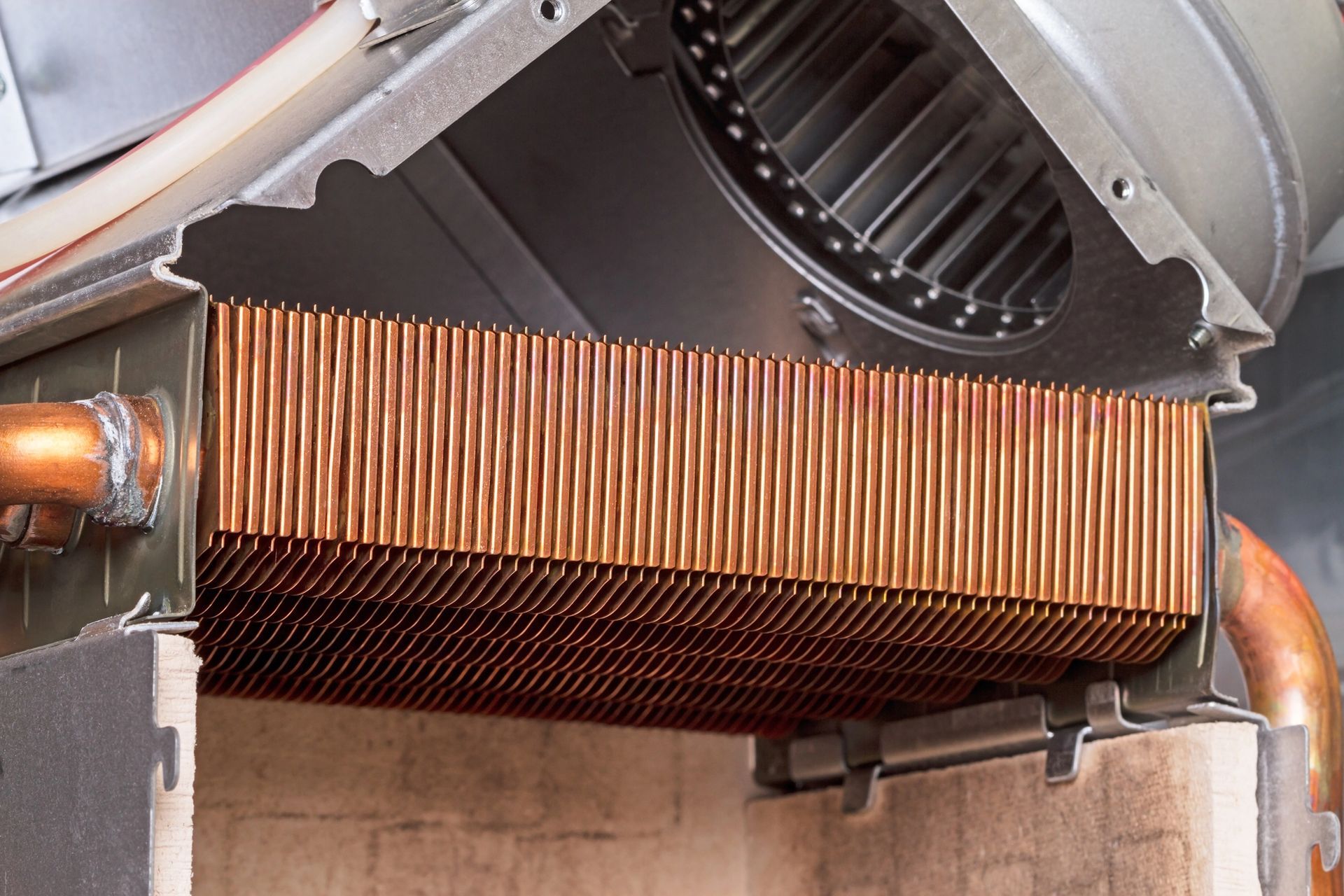
Copper vs Aluminum Heat Exchangers