Sewer line problems in summer: signs, fix options, and what insurance might cover
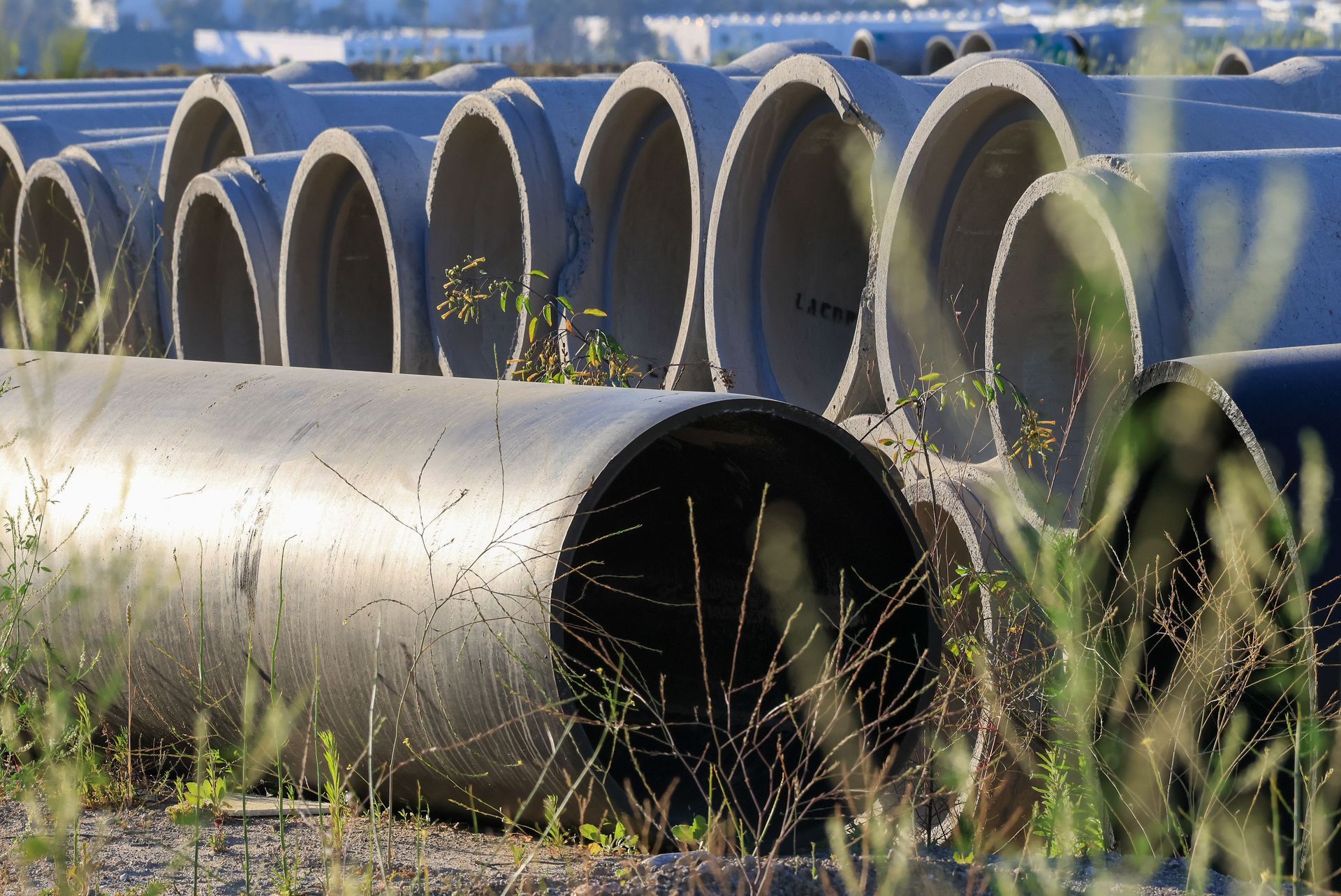
Summer can be tough on sewer lines in Chicagoland. Intense downpours push groundwater into aging laterals, while trees chase moisture and send roots into tiny pipe seams. If you are noticing odd gurgles or slow drains after storms, it is smart to act before a full backup.
This guide walks you through clear warning signs, how pros diagnose the problem, when cleaning is enough, and when repair or replacement makes more sense. We also explain who is responsible for what between the homeowner and the city, how long fixes typically take, and what insurance might cover.
U.S. Allied Plumbing, Heating & Cooling serves North Aurora, Naperville, St. Charles, Batavia, and nearby communities with 24/7 emergency response, camera inspections, hydro jetting, and descaling. If you need urgent help now, contact our dispatcher at 630-800-2032.
Summer red flags to watch for
Heavy rain and thirsty roots often reveal issues already brewing. Common signs include:
- Gurgling from tubs, showers, or toilets when another fixture drains
- Multiple slow drains at once, especially on lower levels
- Sewage odors inside or near floor drains, cleanouts, or sump pits
- Water around basement floor drains after storms
- Patches of extra green grass, soggy spots, or small sinkholes in the yard
- Toilet water levels rising or bubbling after laundry or dishwasher cycles
If a single sink is slow, you may have a local clog. If several fixtures are affected, especially the lowest ones, the main sewer line is likely involved.
How pros diagnose sewer line trouble
Good diagnostics prevent guesswork. A trained technician will typically:
- Ask when symptoms started and whether they worsen after rain.
- Locate accessible cleanouts and evaluate fixture performance.
- Use a drain machine or hydro jet to open flow enough for inspection if needed.
- Run a video camera to confirm pipe material, slope, blockages, cracks, or root intrusion.
- Mark depth and location from the surface for accurate repair planning.
For older cast-iron laterals common around Chicagoland, we often recommend camera-led descaling or hydro jetting. Pre-inspection helps protect fragile joints and identifies when trenchless methods are appropriate.
If you are in Naperville and want to understand what a camera survey can reveal, see our information on video sewer inspections in Naperville, including cleaning options and scheduling.
Cleaning vs. repair vs. replacement
The right fix depends on cause and pipe condition.
- Routine or soft clogs: Hair, paper, and grease often clear with snaking. Hydro jetting scours sludge and grease from pipe walls so the problem does not return quickly.
- Roots: Minor root intrusion can be cleared with cutting heads and followed by hydro jetting. Expect roots to return if cracks remain. A repair or liner may be the long-term solution.
- Scale and corrosion: Cast-iron pipes often narrow from mineral scale. Descaling and chain knockers can restore diameter. If walls are thinning or flaking, replacement is safer.
- Cracks, offsets, or collapse: Spot repairs may work for isolated defects. Multiple breaks, severe bellies, or widespread cracking usually point to a section replacement or full lateral replacement.
When we recommend cleaning only, we will still advise on prevention: sensible paper use, no wipes, routine maintenance jetting for heavy-use homes, and root control where appropriate.
For urgent blockages, our teams provide North Aurora emergency sewer repair with 24/7 dispatch and clear communication on next steps.
When trenchless options make sense in Chicagoland soils
Trenchless methods, such as cured-in-place pipe (CIPP) lining or pipe bursting, can avoid large open trenches and protect landscaping. They can be a strong choice when:
- The existing pipe path runs under a driveway, mature trees, or finished patios
- Camera inspection shows suitable host pipe conditions for lining
- There is adequate access at ends for equipment
- Soil stability and groundwater are manageable during installation
Limitations do exist. Severe sags (bellies), major collapses, or extensive joint offsets can prevent proper lining. High groundwater after storms may also complicate curing. A site visit and camera mapping confirm feasibility and help compare trenchless versus open-cut options.
Who is responsible for sewer repairs
In most Chicagoland communities, the homeowner is responsible for the lateral from the home to the property line or street connection. The municipality handles the public main in the street. Some towns require homeowners to repair to the tap at the main. Always check your local ordinance or call your public works department. Before you dig, dial 811 for utility locates.
Typical timelines you can expect
Every job is unique, but this general guide helps set expectations:
- Emergency clearing to stop a backup: often same day for access and flow restoration
- Camera inspection and mapping: usually completed during the same visit
- Spot repair or short trenchless liner: often one day once permits and materials are ready
- Full lateral replacement: one to three days depending on length, depth, hard surfaces, and permit requirements
Weather, permitting, and utility locates can impact scheduling. Our dispatcher provides realtime ETAs and text updates, and we stabilize safely when full work must wait.
What insurance might cover
Homeowners insurance usually covers sudden and accidental damage inside the home, such as water damage from a sudden backup, but it typically excludes wear and tear, corrosion, and age-related failure of the pipe itself. Many carriers offer optional water or sewer backup endorsements, and some utilities or third parties sell sewer line warranties that may cover repair or replacement of the lateral. Policies vary widely.
Practical steps:
- Document with photos and video. Save camera footage and technician notes.
- Call your agent to review your specific coverage and any backup endorsement.
- Ask whether you have a separate sewer line policy through a utility partner.
- Keep invoices for emergency mitigation, cleaning, and temporary lodging if applicable.
Cost factors for main line fixes
Exact pricing depends on access, depth, pipe material, length, repair method, and permitting. Costs can vary between clearing a clog and replacing sections of pipe. We provide clear estimates before work begins and discuss repair-versus-replacement options after a camera inspection. For straightforward maintenance or emergency clearing in Naperville, you can review our drain cleaning services and schedule a visit that fits your timing.
How U.S. Allied responds in summer
- 24/7 emergency dispatch with licensed plumbers who work across all major brands and fixture types
- Camera inspections to pinpoint the issue before committing to big digs
- Hydro jetting, descaling, and chain knockers to clear roots, grease, and mineral buildup
- Trenchless and open-cut solutions, with guidance on permits and coordination with municipalities
Need help now in North Aurora or nearby? Our emergency plumber teams are standing by with same-day options in many cases.
Quick FAQ
- What are the signs of a clogged sewer? Multiple slow drains, gurgling in toilets or tubs, sewage odors, basement floor drain overflow, and wet or sunken spots in the yard.
- Does homeowners insurance cover sewer line repair? It typically covers sudden and accidental damage, not wear and tear. Consider a sewer backup endorsement or a separate sewer line policy for broader protection.
- Is trenchless sewer repair worth it? Often yes when the host pipe condition allows it and you want to avoid extensive digging under driveways or landscaping. A camera inspection confirms suitability.
- How much does it cost to fix a main sewer line clog? Prices vary by severity, access, and method. Simple clears cost far less than structural repairs or replacements. A short assessment is the fastest way to get a firm number.
- How long does it take to fix a main sewer line? Emergency clearing is often same day. Spot repairs or liners can be one day. Full replacements can run one to three days once permits and materials are ready.
- Who is responsible for sewer repairs? Homeowners are usually responsible for the lateral on their property up to the city connection. The city maintains the public main. Check your local rules.
Prevention tips for the rest of summer
- Limit what goes down drains: no wipes, grease, or hygiene products
- Install and maintain backwater valves where code allows to reduce storm surge risk
- Schedule periodic hydro jetting or descaling for older cast-iron systems
- Keep trees trimmed and monitor root-prone areas identified on camera
If your home relies on a sump system, keeping it healthy reduces storm risk too. Our team handles sump pump installation and repair in Naperville and nearby suburbs.
Next step
If you have gurgling drains, backups after storms, or signs of roots, do not wait for a bigger mess. Call U.S. Allied at 630-800-2032 for 24/7 help. We will assess with a camera, clear the line safely, and lay out honest options for repair or replacement so you can choose what fits your home and budget.
Internal resources mentioned:
- Learn about video sewer inspections and scheduling in Naperville: https://www.usalliedplumbing.com/sewer-drain-services-naperville
- See our Naperville sewer and drain cleaning services: https://www.usalliedplumbing.com/sewer-drain-services-naperville
- North Aurora emergency sewer repair options: https://www.usalliedplumbing.com/emergency-sewer-repair
- Sump pump services for Naperville homeowners:
https://www.usalliedplumbing.com/sump-pump-services-naperville