Fall furnace readiness in North Aurora: repair vs. replace using the $5,000 rule
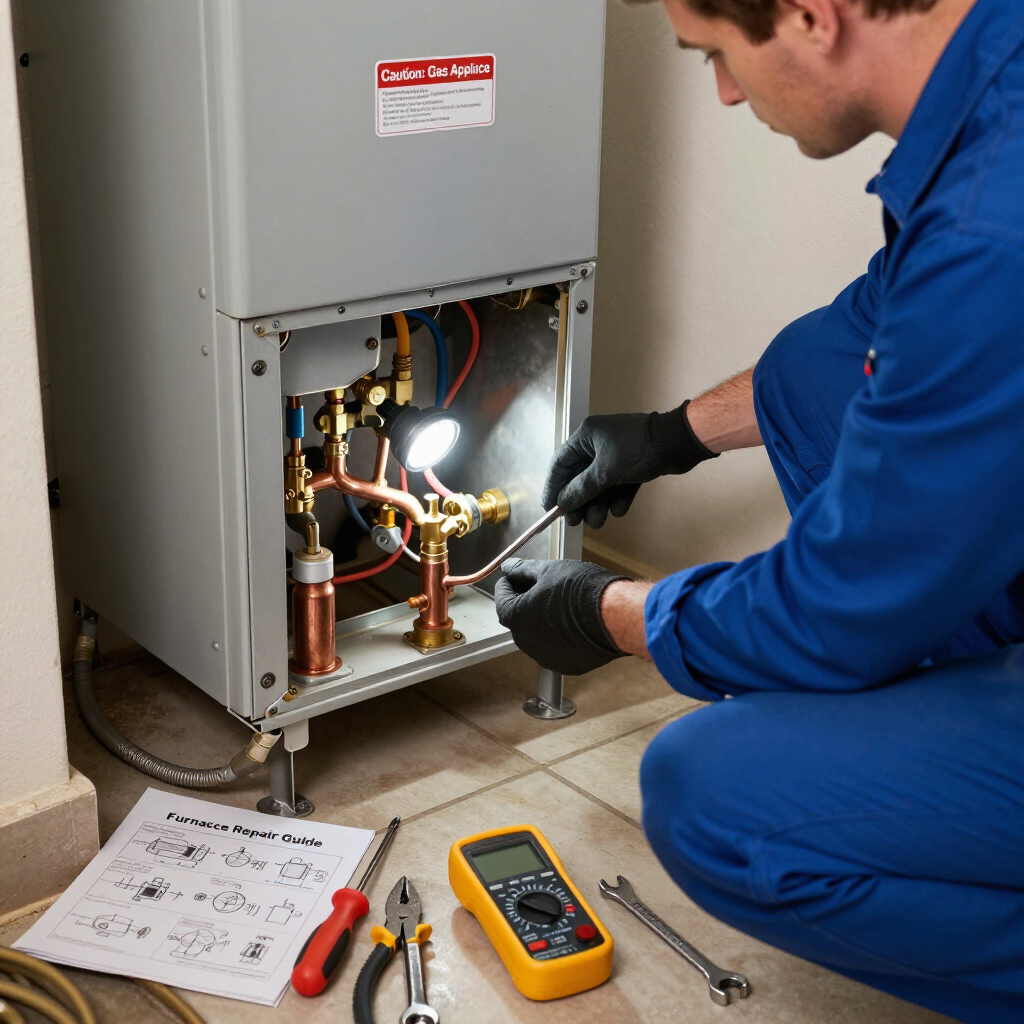
If your heater struggled last winter or you are hearing new noises, September is the month to act. Shoulder season brings milder weather, faster scheduling, and time to decide between repair and replacement before the first cold snap.
A quick pre-season check can catch small issues early, keep warranties intact, and help you plan. When a bigger problem shows up, the $5,000 rule offers a simple way to choose a cost-effective path.
Below is a practical guide for North Aurora homeowners on what to check now, common furnace trouble signs, typical lifespans, how long fixes or changeouts take, and how rebates and financing can ease out-of-pocket costs. If you lose heat, U.S. Allied dispatch is available 24/7 at 630-800-2032 for no-heat emergencies.
Quick pre-season checks to do in September
A 10-minute walkthrough sets you up for a smooth start to heating season.
- Replace or clean your furnace filter, then note the size for future orders.
- Clear 3 feet around the furnace and verify the intake and exhaust pipes are unobstructed outside.
- Test the thermostat on Heat mode and listen for start-up issues like repeated clicking or short bursts.
- Look for water near the furnace base and check the condensate line on high-efficiency units.
- Turn on a few supply registers and confirm steady airflow.
Professional annual maintenance adds a full safety and performance check, including burner inspection, flame sensor cleaning, amp draws, gas pressure verification, heat exchanger review, and documentation that supports manufacturer warranties. Scheduling in September helps you avoid peak-season delays and ensures parts availability if a repair is needed.
Common furnace symptoms and what they mean
Most furnaces fail in patterns that point to a few usual suspects.
- Short cycling or frequent on-off: dirty flame sensor, restricted airflow, incorrect thermostat settings, or an oversized system.
- No heat or intermittent heat: failed ignitor, flame sensor issue, gas valve or control board fault, or a tripped safety switch.
- Odd noises: rattles from loose panels, squeals from a blower motor or belt, booms from delayed ignition.
- Rising gas or electric bills: clogged filter, failing blower motor, declining heat exchanger performance, or duct leaks.
- Cold spots and weak airflow: blower problems, duct restrictions, closed registers, or a failing capacitor.
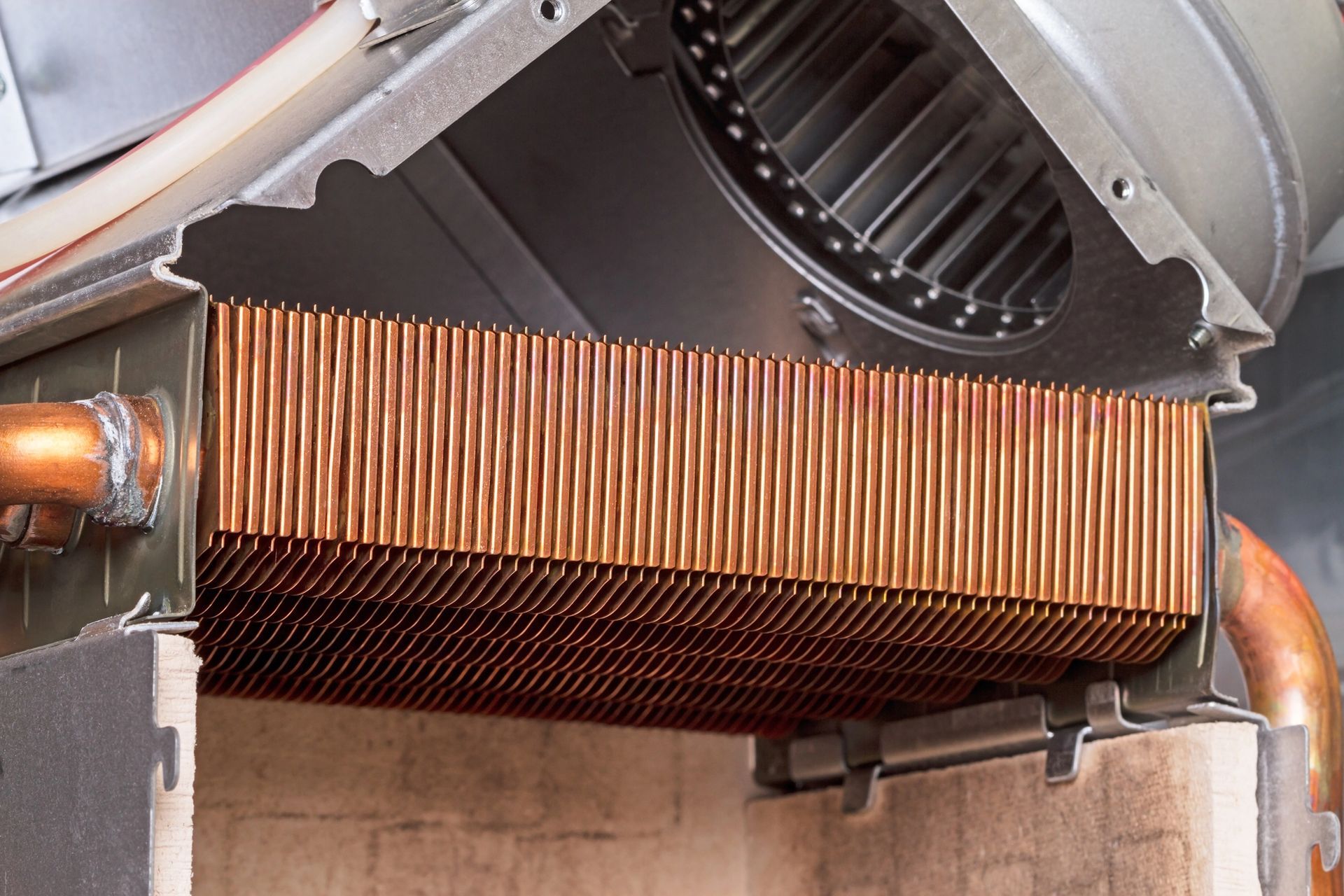
The single most common problem is airflow related, often a dirty or incorrectly sized filter. The most expensive component to fix is typically the heat exchanger or the main control board, depending on model and parts availability. A cracked heat exchanger is a safety issue and often triggers replacement rather than repair.
Average furnace lifespan and when to rethink repairs
A well-maintained gas furnace typically lasts 15 to 20 years. Usage, installation quality, and filter changes strongly affect life. Around year 12 to 15, repairs and efficiency losses tend to increase. At that point, it becomes sensible to evaluate every repair against the value of a newer, more efficient unit.
The $5,000 rule for HVAC, made simple
Use this quick test from our service guides to decide whether to repair or replace.
- Multiply the estimated repair cost by the furnace’s age in years.
- If the result is greater than $5,000, replacement often makes better financial sense.
- If the result is less than $5,000, a repair is usually reasonable, especially if the system has been reliable.
Example: a $700 repair on a 12-year-old furnace equals $8,400, which points to replacement. A $300 repair on an 8-year-old furnace equals $2,400, which points to repair.
This guideline is not a hard rule, but it keeps long-term costs in view and helps you avoid sinking money into a system that is near the end of its service life.
What professional changeout includes
A code-compliant replacement is more than moving boxes. Expect:
- Proper sizing, typically with a load calculation to match capacity and airflow.
- Installation to manufacturer specifications and local code, including gas and venting checks, condensate routing, and electrical connections.
- New pad or plenum transitions as needed, sealed duct connections, and combustion air verification.
- Start-up commissioning, gas pressure and temperature rise checks, safety controls test, and thermostat calibration.
- Permit coordination and inspection where required, plus haul-away of old equipment.
- Documentation for warranties, rebates, and financing if applicable.
U.S. Allied installs across major brands and focuses on correct setup rather than pushing a single option. For nearby AC or airflow planning, you can also review North Aurora central air replacement guidance to understand how components work together.
Timelines: how long repairs or replacements take
- Typical furnace repairs: same day to next day once parts are available. Common parts like ignitors and sensors are often on the truck. Control boards or specialty items can add a day or two depending on supply.
- Furnace changeouts: one working day in many homes once equipment is on site. Duct modifications or electrical panel work can extend to two days. Complex zoning or major duct changes may take two to three days. We provide clear timelines during quoting.
If you are comparing full-system options, most central AC or heat pump swaps are also usually one day. You can explore our Naperville IL HVAC page for broader planning context when upgrading both heat and cooling.
Rebates, credits, and financing
High-efficiency furnaces and heat pumps may qualify for federal credits under the Inflation Reduction Act and periodic Illinois utility rebates. Programs change, and efficiency thresholds matter, so we verify eligibility during your estimate. Financing on approved credit is available for many installations. We explain how incentives interact with financing to help manage out-of-pocket costs and provide the documentation you need for submissions.
Repair vs. replace: which is cheaper?
Short term, repairing is usually cheaper. Over the next few winters, replacement can be the better value when:
- The $5,000 rule points to replacement.
- You face repeated breakdowns or rising energy bills.
- Safety concerns exist, such as a cracked heat exchanger.
- You want quieter operation and better comfort with modern staging or variable-speed options.
We will outline both paths with line-item pricing so you can decide confidently.
Why September is the sweet spot
Scheduling maintenance or quotes in September secures better availability, gives you time to compare 2 to 3 estimates, and avoids emergency premiums when the first deep freeze hits. It also improves parts access and keeps you ahead of seasonal demand spikes.
If you need immediate help outside this area, our team also handles nearby services, including furnace repair Naperville and furnace repair Batavia IL, with 24/7 dispatch.
Quick FAQ
- Is it cheaper to repair or replace a heater? Upfront, repair is cheaper. Use the $5,000 rule to judge long-term value. If repair cost times age exceeds $5,000, replacement often wins.
- What is the average lifespan of a house furnace? About 15 to 20 years with proper maintenance.
- What is the most common furnace problem? Airflow issues, especially from dirty or wrong-size filters.
- What is the most expensive part to fix? Often the heat exchanger or the main control board. A cracked heat exchanger usually triggers replacement.
- Who do you call if your heat is not working? Call a licensed HVAC contractor. In North Aurora, U.S. Allied offers 24/7 no-heat response at 630-800-2032.
- What is the $5,000 rule for HVAC? Multiply repair cost by system age. Over $5,000 suggests replacement, under $5,000 suggests repair.
- How long do furnace repairs take? Many are same day. Specialty parts can add one to two days.
Next steps
- Book a September tune-up or quote to lock in availability before the first cold snap.
- Keep your last 12 months of energy bills and your furnace’s age handy for the $5,000 rule.
- Ask us to review current rebates, credits, and financing options during your estimate.
Questions or no heat now? Call 630-800-2032 for 24/7 dispatch. For broader heating help near you, see our page on heating system repair in North Aurora. If you are also planning cooling upgrades for spring, explore air conditioning repair Naperville to understand repair and replacement options ahead of next summer.